


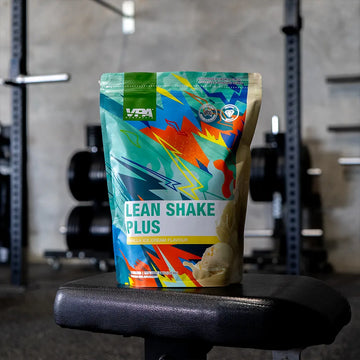
Salted caramel cuts through the sweet-only trend with a savoury edge that works across VPA's WPI, WPC, vegan, and Muscle Gainer ranges. Love it or swap it - our Flavour Happiness Guarantee has you covered.
Filters
Salted caramel cuts through the sweet-only trend with a savoury edge that works across VPA's WPI, WPC, vegan, and Muscle Gainer ranges. Love it or swap it - our Flavour Happiness Guarantee has you covered.
4 products
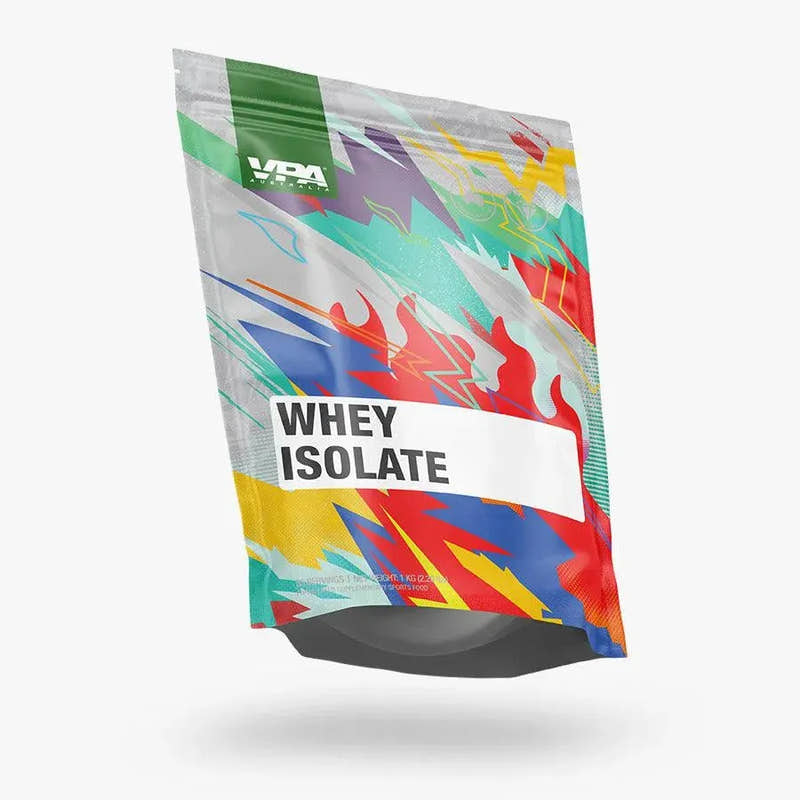
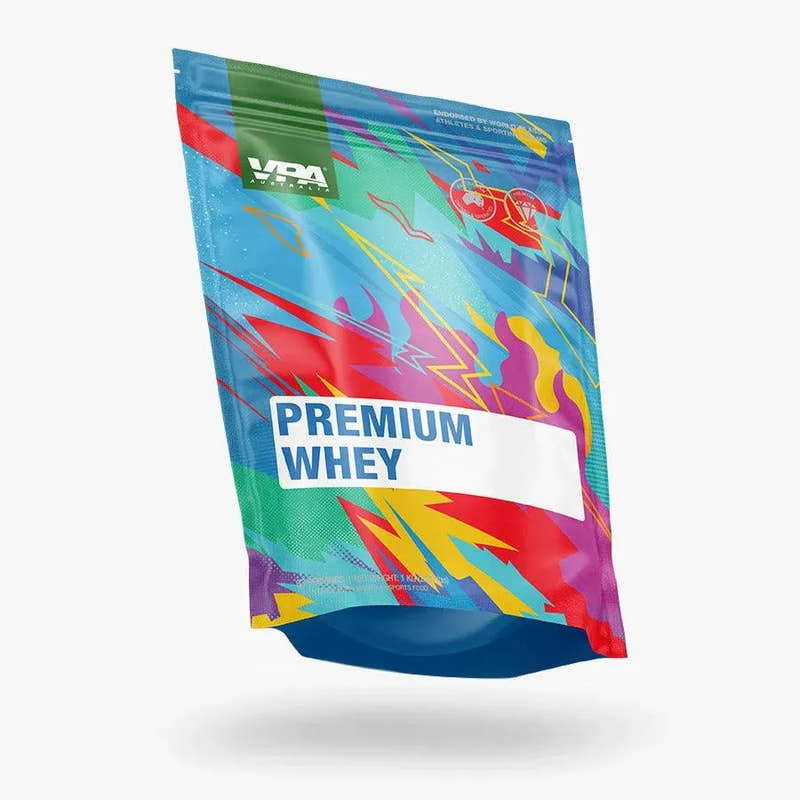
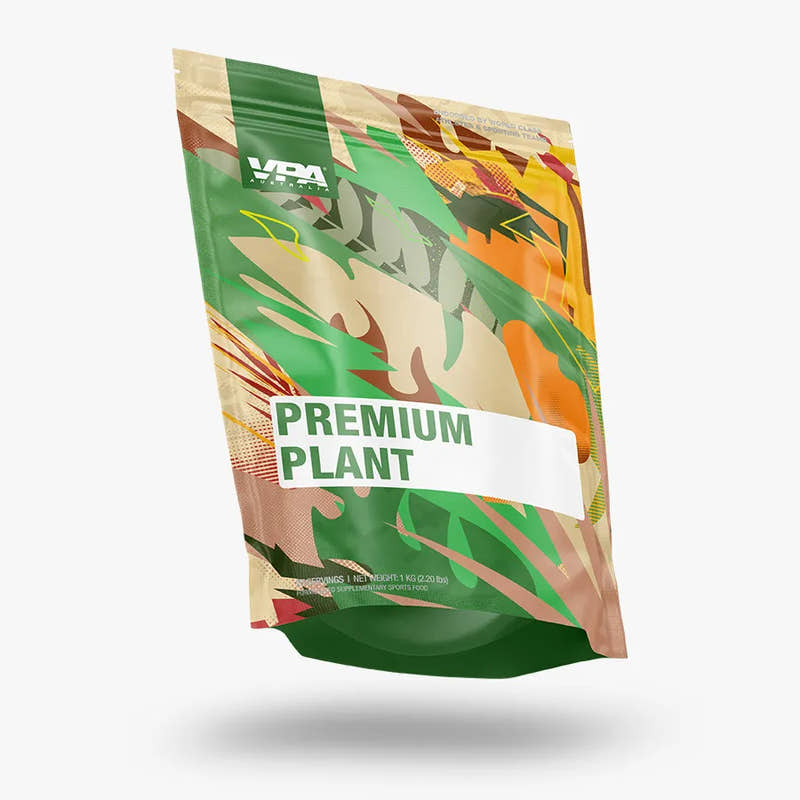

That depends on your training split and budget. We offer four options, so you can pick based on your actual needs rather than hype.
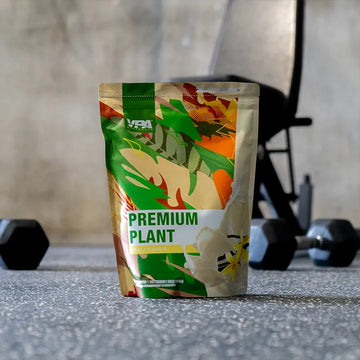
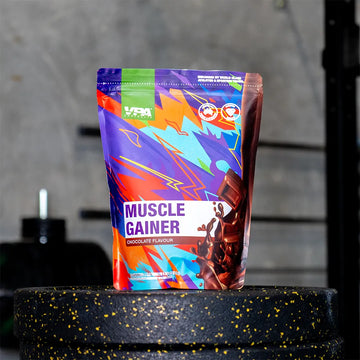
WPI Salted Caramel delivers 26.2g of protein with 0.2g of fat and 1.5g of carbs per serve - the leanest choice for anyone cutting or prioritising rapid recovery. WPC Salted Caramel has 23.5g of protein with a slightly higher carb profile, making it ideal for everyday gym sessions and recovery without premium pricing. Premium Plant Vegan Protein Salted Caramel gives you 30g of protein per serve (40g serving size) with added amino acid blends and plant-based sources - perfect if you're vegan or want to rotate protein sources. Muscle Gainer Salted Caramel is a different thing entirely: 31.2g protein, 23.3g carbs, and 2g of creatine monohydrate per 80g serve, designed for bulking phases when you need calories and muscle support simultaneously.
The best salted caramel whey protein powder for you depends on your phase. Cutting? WPI. Steady state? WPC. Vegan lifestyle? Plant protein. Bulking season? Muscle Gainer. Looking for other flavour options? We've got Vanilla Protein Powder and Chocolate Protein Powder too.
Our vegan salted caramel protein powder absolutely is - and it stands up to the whey options nutritionally. We use pea protein isolate as the base, blended with rice protein and sacha inchi protein for a complete amino acid profile. We've added an amino acid blend (glutamine, glycine, serine) and BCAAs (leucine, isoleucine, valine) to match the recovery support you'd get from whey.
The vegan version comes in at 30g protein per serve, which actually beats our WPI and WPC on sheer protein content. The trade-off is a slightly different texture and a larger serving size (40g vs 30g), but nutritionally it's a legitimate alternative, not a compromise.
If you're plant-based, vegan, or just rotating protein sources for dietary variety, this works. If you're lactose-intolerant but not vegan, the WPI is nearly lactose-free and still whey-based.
The balance is the entire point. Most caramel flavours tip too far into sugar; we've tuned this one so the salt cuts through and keeps it from tasting one-dimensional.
You're getting 0.7- 2.5 g of sugar depending on which product (WPI is lowest, Muscle Gainer is highest because of its carb-loading purpose). The salt isn't there to make it taste like seawater - it's there to amplify the caramel and add complexity. Our food technician's 15+ years of experience means this flavour went through months of blind taste testing with real people before production. It's not a compromise, it's intentional.
Some people prefer unflavoured protein powder for versatility, but if you want flavour that actually tastes good, this one delivers. If sweet-and-savoury doesn't land for you, our Flavour Happiness Guarantee means you can exchange it. No questions, no restocking fees.
It depends which product you're using. The whey versions (WPI, WPC) work fine in baking - protein cookies, brownies, and protein pancakes all work. The caramel protein powder flavour goes well with chocolate-based recipes or standalone protein balls.
The Muscle Gainer is trickier because of its higher carb and sugar content - it's formulated for post-workout shakes, not precision baking. The vegan version is also higher in carbs (3.9g per serve), so if you're baking for macro tracking, account for that.
General rule: treat protein powder as a supplement to your dry ingredients, not a direct flour replacement. High heat can denature protein, affecting both texture and nutritional value. Baking at 180°C and keeping times moderate works best.
More importantly, protein powder works when combined with proper training, adequate calories, and a diet built on whole foods. It's recovery support, not a magic ingredient. Pair it with consistent effort and sensible nutrition, and you'll see results.
Loading updates…