

Time Until Next Dispatch order Before 4PM for same day dispatch
0

Your Cart is Empty

Protein Calculator


Meeting your protein needs is the backbone of good nutrition. Whether your goal is to build lean muscle, support weight loss, maintain a balanced diet, or simply lead a healthy lifestyle, the mission is clear: to find the right amount of protein your body needs.

But with the market flooded with so much information, it’s easy to get confused about exactly how much protein you should actually be eating. Some people follow the basics, while others take advice from friends, social media influencers, or fitness trends.

But for the most reliable and science-backed information, a protein calculator Australia comes in handy.

So, for those wondering how to calculate protein intake? Or, how much protein to build muscle? The answer is simple. By factoring in your body weight, activity level, age, and health goals, this tool gives you a personalised target for daily protein intake.

Instead of making wild guesses, you’ll know exactly how much protein to aim for every day, thus making it easier to plan meals, choose the right meals to eat, and decide whether supplementing with protein powder in Australia makes sense for your lifestyle.

Think of it as your personal nutrient budgeter. Just as you wouldn’t start your next trip without a clear budget, you shouldn’t begin a fitness or wellness journey without knowing your protein needs.
How Our Protein Calculator Works

Before you start doing the math on your daily protein target, it’s essential to understand what goes into the calculation. A protein intake calculator doesn’t just give you some random numbers. Instead, it’s based on years of scientific research on nutrition and muscle physiology.

Inputs We Use

The calculator estimates your protein needs using several factors:

  1. Body Weight (kg): Indeed, the most critical factor. Protein requirements are usually expressed in grams per kilogram of body weight.

  2. Activity Level: Individuals who lead sedentary or less active lifestyles require less protein than athletes, gym-goers, fitness enthusiasts, or those with physically demanding jobs.

  3. Fitness Goals: Are you trying to build muscle, lose weight, or maintain your current physique? Each goal slightly shifts your protein target or the amount of protein you need.

  4. Dietary Preferences: While the calculator doesn’t directly change based on whether you eat a plant-based diet or are okay with having meat and eggs, it can influence how you reach your target.

The Underlying Science / Formula

The science is straightforward but powerful. Protein intake is based on a protein-to-weight ratio. Here are the commonly recommended ranges:

  • Sedentary adults: 1 0.8 of protein per kg body weight

  • Active adults (regular exercise): 2 1.4-2.0 g/kg

  • Strength training/muscle building:  2 1.6-2.2 g/kg

  • Weight loss (to preserve muscle mass): 3 1.2-2.0 g/kg

What do you need to answer your question on how much protein you need? A protein to build muscle calculator. For example:

  • A 75 kg individual engaging in regular strength training may aim for 75 × 2 g = 150 g of protein per day.

  • A 60 kg person focusing on fat loss could set a target of 60 × 1.5 g = 90 g per day.

It’s not one-size-fits-all: the calculator personalises it for you.

What It Does Not Cover

While this is a strong evidence-based method, the calculator doesn’t replace medical advice. It doesn’t account for:

  • Medical conditions (kidney issues, metabolic disorders)

  • Extreme endurance athletes with unusually high calorie/protein needs

  • Genetics and differences in digestion or absorption

If you’re in one of these categories, a dietitian or healthcare professional can provide more specific guidance.

Calculate Your Daily Protein Target

Example Output Block

Your Protein Needs:

  • Daily target: 150 g protein

  • Per meal (3 meals/day): approximately 50 g

  • Per meal/snack (5 meals/day): approximately 30 g

This makes the result practical: you’ll know what to aim for per meal instead of just staring at a single, large daily number.

Interpretation & What the Number Means

Once you’ve got your daily protein target, the next step is understanding how to use it.

If your protein calculator Australia result is 150 g per day, that doesn’t mean gulping down six chicken breasts. It means structuring your diet so that by the end of the day, your total protein intake adds up to around 150g.

Breaking it down helps:

  • At three meals per day, aim for approximately 50 g of protein each meal.

  • At five meals/snacks per day, aim for approximately 30 g of protein each.

Why spread it out? Research shows that regular protein intake stimulates muscle protein synthesis (MPS) more effectively than eating all your protein at once. That means better recovery, faster muscle repair, and more effective performance gains.

Another critical point: consistency matters more than perfection. Some days you’ll fall a little short, and that is fine. On other days, you may go slightly over, and that is also okay. As long as you are broadly hitting your target across the week, you will see good results.

Real Food & VPA Protein Pairings

Protein isn’t just about powders. Instead, it starts with real food. Here are some examples of high-protein foods that Australians commonly enjoy:

  • Chicken breast (100 g): ~31 g protein

  • Salmon (100 g): ~20 g protein

  • Lean beef (100 g): ~15 g protein

  • Eggs (2 large): ~12 g protein

  • Greek yoghurt (200 g): ~20 g protein

  • Lentils (1 cup cooked): ~18 g protein

  • Firm tofu (150 g): ~15-20 g protein

  • Quinoa (1 cup cooked): ~8 g protein

Let’s say your daily target is 150 g. You could build it like this:

  • Breakfast: 3 eggs + 200 g Greek yoghurt = ~40 g protein

  • Lunch: 150 g chicken breast + quinoa salad = ~50 g protein

  • Dinner: 150 g salmon + veggies = ~30 g protein

  • Snack: Protein smoothie = ~30 g protein

That gets you close to 150-160 g, without feeling complicated or overwhelming.

Where Protein Powder Helps

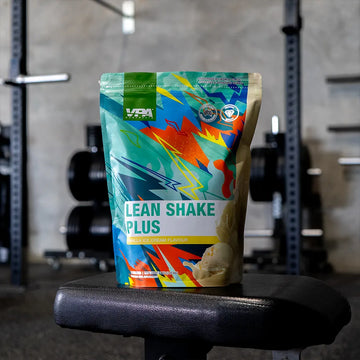
Even with the best meal planning, sometimes it’s tough to reach your goal. Maybe you are rushing to work and don’t have time for breakfast or meal prep. Or, maybe, your protein goals are too big to be achieved only through food.

That’s where protein powder in Australia plays a supporting role. It’s convenient, budget-friendly, effective, and versatile.

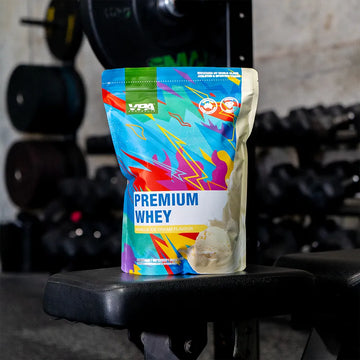
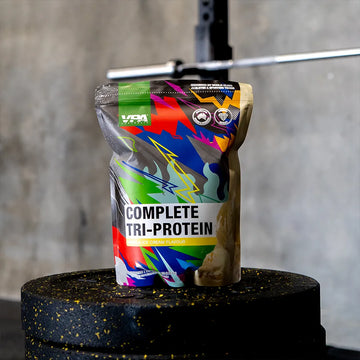
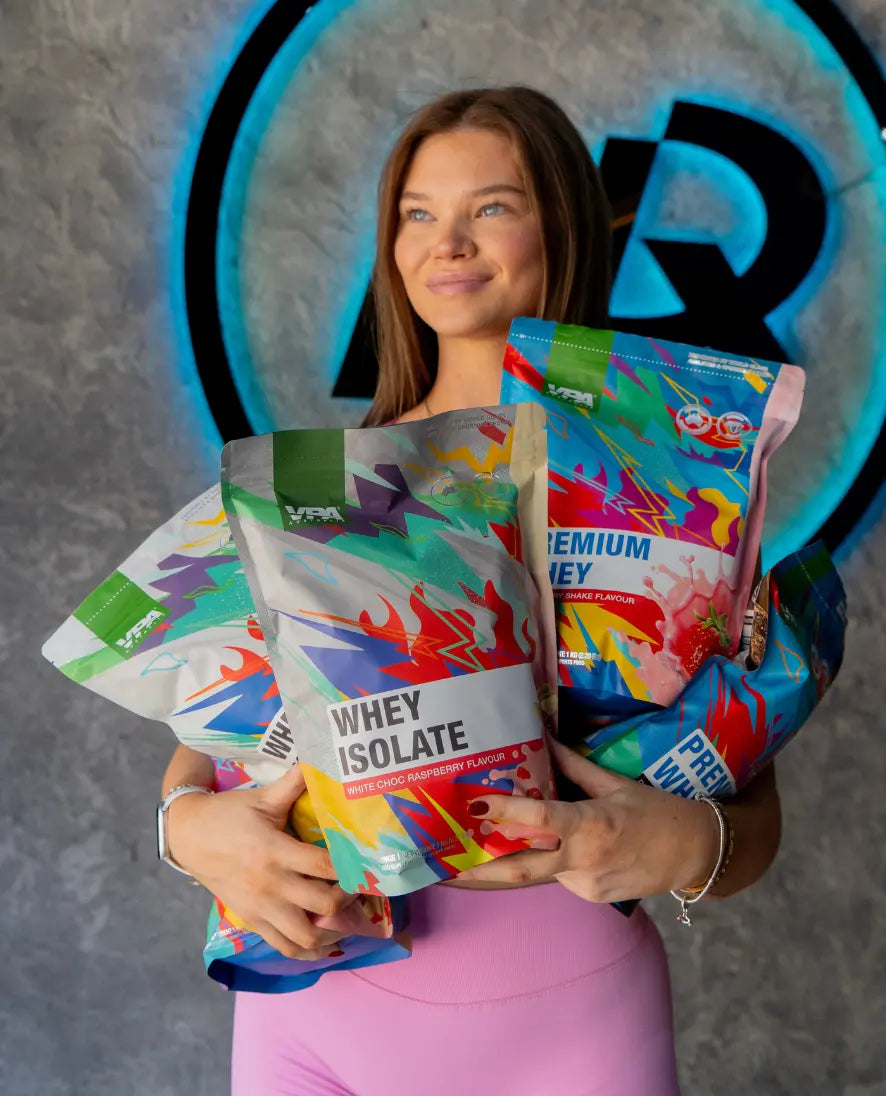
  • Whey Protein Isolate (WPI): Low carb, low fat, fast-absorbing: Perfect for post-workout for muscle hypertrophy and muscle recovery.

  • WPC Protein (Whey Protein Concentrate): More budget-friendly, slightly higher in carbs/fats, ideal for daily shakes.

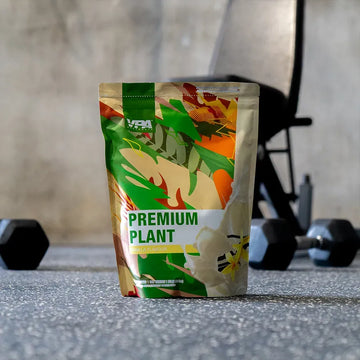
  • Plant-based powders (pea, hemp, rice): Great for vegans and those with dairy intolerances.

How to Use Protein Powder

There’s no single “best” method. Instead, it depends on your lifestyle:

  • Post-workout shake: Mix one scoop with water or milk for recovery.

  • Smoothie booster: Add to fruit, oats, seeds, and nut butter for a filling meal replacement or go-to breakfast.

  • Cooking/baking: Blend into pancakes, protein balls, mousse, or oats.

  • Snack insurance: Keep a scoop handy at work or when travelling, so you don’t grab the processed snacks.

By pairing whole foods with supplements, you’ll easily hit your personalised number from the protein intake calculator.

Final Word: Your Protein Plan, Simplified

Nutrition doesn’t have to be complicated. Once you know your daily target from the protein calculator Australia, you have already done half the work.

Here’s a simple framework:

  1. Know your number: Use the calculator.

  2. Prioritise protein-rich meals: Centre each meal around a good source.

  3. Distribute evenly: Aim for 20-40 g per meal/snack.

  4. Use protein powder when needed: A supplement, not a substitute for a good, balanced diet.

  5. Adjust as needed: If your goals, training, lifestyle, or body weight change, revisit the calculator.

Whether you are chasing strength, weight loss, or general health, protein is a game-changer. With the right plan, you’ll not only look better but also feel stronger, recover faster, have more energy, and perform at your best.


FAQs

What is the protein per kg guideline?

The general recommendation is 0.8-2.2 g of protein per kg of body weight, depending on activity levels and goals. Athletes and those building muscle need more than sedentary individuals.

How do I know if I’m eating enough protein?

Track your intake for a few days. Compare the results with the one calculated using VPA Australia’s Protein Calculator. Signs you might be low include fatigue, slower recovery, weight loss, and difficulty gaining muscle.

Can I reach protein goals with a plant-based diet?

Absolutely. Combining foods like beans, lentils, tofu, tempeh, seitan, and plant-based protein powders makes it completely achievable. Many athletes thrive on plant-based diets.

Are protein targets different for weight loss vs muscle gain?

Yes. For weight loss, a protein intake of 1.2-2g/kg helps preserve lean muscle while reducing hunger. For muscle gain, a daily intake of 1.6-2.2 g/kg supports optimal growth.

Is more protein always better?

Not necessarily. Going way above your needs won’t build more muscle. It just adds unnecessary calories. Focus on hitting your target consistently, not exceeding it.

Can too much protein harm the kidneys?

For healthy individuals, research indicates that high-protein diets pose no harm. However, those with existing kidney conditions should consult a doctor before increasing intake.

Do I need a protein supplement if I eat enough food?

No. Supplements are for convenience, not necessity. If you’re consistently hitting your protein target through whole foods, you don’t need powder. However, protein supplements from brands like VPA Australia are an excellent source of protein and can be

What’s the best way to distribute protein throughout the day?

Aim for 20-40 g protein per meal/snack, spread evenly across 3-5 meals/snacks. This optimises muscle protein synthesis and helps with appetite control.


References:

  1. How much protein do you need every day? Harvard Health. Published June 22, 2023. Accessed October 1, 2025. https://www.health.harvard.edu/blog/how-much-protein-do-you-need-every-day-201506188096

  2. Campbell B, Kreider RB, Ziegenfuss T, et al. International Society of Sports Nutrition position stand: protein and exercise. J Int Soc Sports Nutr. 2007;4:8. doi:10.1186/1550-2783-4-8

  3. Van De Walle G. The best macronutrient ratio for weight loss. Healthline. Updated February 15, 2024. Accessed October 1, 2025. https://www.healthline.com/nutrition/best-macronutrient-ratio


}