


![[Batch-tested] Collagen Pro® - Protein Powder](http://www.vpa.com.au/cdn/shop/files/vpa-australia-collagen-powder.webp?v=1770851517&width=360)


Strength and hypertrophy training are two popular forms of exercise that can help you build muscle, gain strength, and improve overall fitness. While they may seem similar, there are some key differences between these two forms of training, and understanding these differences can help you design a workout plan that meets your specific fitness goals.
In this blog post, we will explore the following:
-
The differences between strength and hypertrophy training
-
The importance of progressive overload in both types of training
-
Ways to measure progress and how to overcome plateaus.
We will also discuss the role of nutrition, the benefits of BCAAs, pre-workout supplements like Gold Coast Stim (formerly Pre-30 V.2) and Creatine in muscle recovery and growth. Finally, we will provide tips for incorporating both strength and hypertrophy training into your fitness routine for optimal results.
Strength vs Hypertrophy Training: What’s the Difference?
Strength training is focused on building strength and power rather than muscle size. It involves lifting heavy weights and performing compound exercises such as squats, deadlifts, and bench presses. The goal of strength training is to increase your maximum strength in a particular movement pattern. This type of training typically involves lower reps (1-5) and longer rest periods (2-3 minutes) between sets.
Hypertrophy training, on the other hand, is focused on building muscle size. It involves lifting moderate to heavy weights for higher reps (8-12) and shorter rest periods (30-60 seconds) between sets. Hypertrophy training typically involves more isolation exercises such as bicep curls, leg extensions, and lateral raises.
Both strength and hypertrophy training can be beneficial for overall fitness and combining them can lead to optimal results.
The Importance of Progressive Overload
Progressive overload is the gradual increase in stress placed on the body during exercise. It is the foundation of both strength and hypertrophy training and is necessary for continued progress. Increasing the weight you lift, the number of reps you perform, or the volume of your training each week is an example of progressive overload.
Incorporating progressive overload into your training plan is important because it challenges your muscles to adapt and grow stronger. Without progressive overload, your muscles will not be stimulated enough to continue growing or increasing strength.
How to overcome plateaus in fitness
Plateaus can happen in both strength and hypertrophy training, which can be frustrating for many people. To overcome plateaus, it is important to incorporate progressive overload, change up your exercises, and adjust your training volume and intensity.
Measuring Progress
Measuring progress in strength training can be done by tracking the maximum weight lifted in a particular exercise. For example, if you bench press 100 pounds for 3 reps one week and 105 pounds for 3 reps the next week, you have made progress.
Measuring progress in hypertrophy training can be done by tracking the amount of weight lifted, the number of reps performed, or the volume (weight x reps x sets) of your training. For example, if you perform 3 sets of 10 reps of bicep curls with 20 pounds one week and 3 sets of 10 reps with 22.5 pounds the next week, you have made progress.
The Role of Nutrition in Strength and Hypertrophy Training
Nutrition plays a crucial role in both strength and hypertrophy training. Consuming enough protein, carbohydrates, and healthy fats is essential for muscle growth, recovery, and energy during exercise.
-
For strength training, consuming a high-protein diet (1.6-2.2g/kg body weight) is important for muscle repair and growth. Consuming carbohydrates before exercise can also provide energy for high-intensity workouts.
-
For hypertrophy training, consuming a high-protein diet (1.8-2.7g/kg body weight) is important for muscle growth. Consuming carbohydrates after exercise can also aid in muscle recovery and replenish glycogen stores.
Incorporating BCAAs and Pre-Workout Supplements for Optimal Results
-
BCAAs
BCAAs (branched-chain amino acids) are essential amino acids that cannot be produced by the body and must be obtained through food or supplements. They play a crucial role in muscle recovery and growth and can be especially helpful during high-intensity workouts.
Research has shown that supplementing with BCAAs before and during exercise can reduce muscle soreness and fatigue and improve muscle growth and recovery. Products like BCAA 7000 or BCAA 211 are great options.
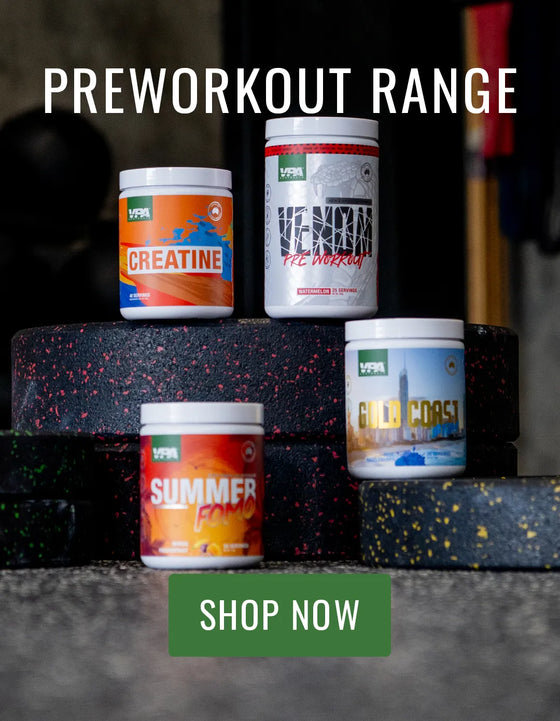
Pre-workout supplements like Gold Coast Stim (formerly Pre-30 V.2) are designed to improve workout performance by increasing energy, focus, and endurance. They typically contain ingredients such as caffeine, beta-alanine, and citrulline malate. Gold Coast Stim (formerly Pre-30 V.2), for example, contains 239mg of caffeine, 1.5g of beta-alanine, 1g of AAKG and 1g of creatine monohydrate per serving on its list of ingredients.
-
CREATINE
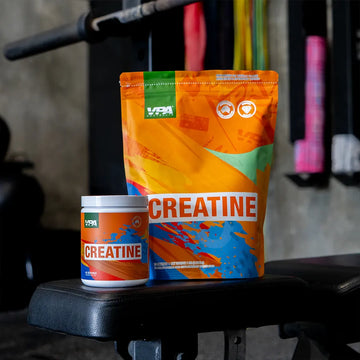
Creatine is a natural substance found in muscle cells that helps produce ATP (adenosine triphosphate), the primary source of energy for muscle contractions. Supplementing with creatine has been shown to increase strength, muscle mass, and exercise performance. Research has also shown that creatine supplementation can improve recovery and reduce muscle damage and soreness. VPA® Creatine is one of our best sellers for this reason.
Incorporating both Strength and Hypertrophy Training for Overall Progress
Incorporating both strength and hypertrophy training into your fitness routine can lead to overall progress and optimal results. By combining heavy compound exercises with isolation exercises and varying your training volume and intensity, you can target both your nervous system and muscle fibers for increased strength and muscle size.
Incorporating both strength and hypertrophy training can seem overwhelming, but it doesn't have to be.
Here are a few tips for incorporating both types of training into your fitness routine:
-
Start with a strength-focused workout: Begin your workout with heavy compound exercises that target multiple muscle groups such as squats, deadlifts, and bench presses. This will help you build a strong foundation and increase your overall strength.
-
Follow up with a hypertrophy-focused workout: After your strength-focused workout, move on to isolation exercises that target specific muscle groups such as bicep curls, leg extensions, or lateral raises. This will help you focus on building muscle size and definition.
-
Incorporate progressive overload: Whether you are focusing on strength or hypertrophy training, incorporating progressive overload is crucial for continued progress. Increase the weight you lift, the number of reps you perform, or the volume of your training each week to challenge your muscles to adapt and grow.
-
Pay attention to nutrition: Consuming enough protein, carbohydrates, and healthy fats is essential for muscle growth, recovery, and energy. Consider tracking your macronutrient intake using a food diary or app to ensure you are consuming enough of each nutrient.
-
Use supplements to support your training: Supplements like BCAAs, pre-workout supplements, and creatine can help improve muscle recovery, growth, and performance. Choose supplements that fit your specific needs and goals.
Bottomline
In conclusion, strength and hypertrophy training are two effective forms of exercise that can help you achieve your fitness goals. Understanding the differences between these two types of training and incorporating progressive overload, nutrition and supplements can help you optimise your results.
However, it might be best to consider working with a certified personal trainer or fitness professional as they may help you develop a customised training plan that fits your specific needs and goals, as well as provide guidance on proper form and technique to prevent injury.
Remember, it is important to focus on what works best for you. Everyone's body is different, and what works for one person may not work for another.