


![[Batch-tested] Collagen Pro® - Protein Powder](http://www.vpa.com.au/cdn/shop/files/vpa-australia-collagen-powder.webp?v=1770851517&width=360)


TL;DR
Does alcohol affect muscle growth? Yes, but it's not a complete shutdown. Heavy drinking after training reduces muscle protein synthesis by up to 37%, suppresses testosterone, elevates cortisol, and fragments sleep. Occasional moderate drinking has minimal impact on gains. The dose, timing, frequency, and your overall lifestyle determine whether alcohol affects muscle growth becomes a real problem. If you do drink, prioritise protein intake, protect your sleep, and consider recovery supplements to minimise damage.
The Short Answer
Alcohol doesn't stop muscle growth entirely, but it surely creates obstacles. When you drink heavily (especially post-workout), your body's ability to repair and build muscle takes a measurable hit. The good news? Light to moderate drinking won't undo your training. The key is understanding what actually happens in your body and making informed choices about when and how much you drink.
How Alcohol Affects Muscle Protein Synthesis
The Direct Suppression Effect
Muscle protein synthesis (MPS) is the process where your body builds new muscle tissue after training. It's the biological mechanism that actually creates gains. Research shows how alcohol affects muscle growth directly.
A landmark 2014 study published in PLOS ONE examined what happens when athletes consume alcohol after resistance exercise combined with high-intensity cycling. The findings were clear: alcohol reduced muscle protein synthesis by 24% even when protein was consumed alongside it, and by 37% when alcohol was paired with carbohydrates instead of protein.
This isn't a minor dip. When you train hard and then drink, you're leaving meaningful muscle-building potential on the table. The suppression occurs because alcohol interferes with the mTOR signalling pathway - essentially the "build muscle" switch in your cells.
Basically, alcohol doesn't just reduce the signal, it dampens it substantially.
The effect persists too. Alcohol's suppression of protein synthesis continues for hours after drinking - and understanding alcohol and protein synthesis interaction is key because muscle repair doesn't happen instantly. Your body is still in a heightened state of protein turnover for 24–48 hours after training, and alcohol affects muscle recovery throughout that entire window.
The Protein Intake Interaction
Here's where it gets interesting: consuming protein alongside alcohol doesn't eliminate the problem, but it helps. When athletes drank protein with alcohol, the MPS reduction was 24%. Without protein (just alcohol and carbs), it jumped to 37%.
This doesn't mean protein cancels alcohol out. It means adequate protein partially rescues the anabolic response. This is why hitting your protein targets becomes even more critical on nights you drink.
Alcohol, Testosterone, and Cortisol
Testosterone Suppression
Testosterone is one of your primary muscle-building hormones. It signals your body to build and maintain muscle tissue. The relationship between alcohol and muscle growth becomes clearer when you look at hormones. Research consistently shows that alcohol and testosterone decline together - sometimes significantly.
Heavy drinking sessions can suppress testosterone by up to 25% for up to 24 hours after consumption. For serious muscle builders, this matters because testosterone elevation is part of what drives adaptation to training. When you suppress it, you're suppressing part of the signal your body needs to grow.
The suppression is dose-dependent. A single drink has minimal effect. Three or more drinks - especially post-workout - create hormonal disruption that persists into the next day.
Cortisol Elevation
While alcohol is lowering testosterone, it's simultaneously raising cortisol (your stress hormone) too. Cortisol's job includes breaking down muscle tissue. It's catabolic - the opposite of what you want when focusing on building muscle.
A systematic review of alcohol's effects on recovery following resistance exercise found that alcohol and cortisol levels consistently increased together. The combination of suppressed testosterone and elevated alcohol and cortisol is particularly problematic. You're simultaneously removing the signal to build muscle whilst increasing the signal to break it down.
For context: chronic elevation of cortisol actually promotes fat storage, especially around the midsection. So heavy drinking doesn't just slow muscle growth - it can also push your body composition in the wrong direction.
Alcohol and Sleep: The Overlooked Mechanism
Most people know alcohol and sleep quality are incompatible, but the specific ways it damages recovery are worth understanding.
Alcohol doesn't prevent you from falling asleep; it often does the opposite. It has a sedative effect that makes you drowsy. But it severely disrupts sleep architecture, the natural progression through different sleep stages.
Alcohol reduces both the onset and duration of REM (rapid eye movement) sleep, the stage linked to memory consolidation and cognitive restoration. It also fragments deep sleep in the second half of the night. A 2024 meta-analysis examining 27 studies found that alcohol and sleep quality consistently decline together, with effects occurring even at low doses.
Why does this matter for muscle growth? Deep sleep and REM sleep are when your body releases growth hormone and conducts most of its tissue repair. When alcohol disrupts these stages, you're literally removing one of your most powerful recovery tools.
And understanding sleep architecture changes how you approach recovery, so don’t forget to check out the importance of sleep for gym results.
Alcohol also reduces sleep efficiency - the percentage of time you're actually asleep versus lying awake. So even if you're in bed for eight hours, your actual restorative sleep is significantly less.
Does Alcohol Stop Muscle Growth Completely?
Heavy and Chronic Drinking
If you're drinking heavily every day or multiple times per week, does alcohol stop muscle growth? Not entirely, but it will significantly impair it. The repeated suppression of MPS, ongoing hormone disruption, and chronic sleep fragmentation all add up.
Chronic heavy drinkers show reduced lean muscle mass, slower recovery, and diminished training adaptations. This is documented in clinical research and visible in real athletes who binge drink regularly.
But even heavy chronic drinking doesn't completely stop muscle growth - it just substantially slows it. Your body's anabolic potential is capped at a lower ceiling.
Moderate and Occasional Drinking
Here's what the research actually shows: occasional light to moderate drinking (for instance, a drink or two a few times per month) has negligible impact on the answer to “does alcohol prevent muscle growth”.
The key word is "occasional." One drink after dinner when you're not in a post-workout window? Your muscle-building machinery keeps running. One or two drinks at a social event on the weekend? Not a dealbreaker.
The problems emerge when drinking is frequent, heavy, or timed immediately post-workout. That's when the research consistently shows that alcohol does work to stop muscle growth.
How Long Does Alcohol Affect Muscle Growth?
The suppression of muscle protein synthesis persists for several hours after alcohol consumption. Research tracking MPS found that the reduction was significant at 2 hours post-exercise, remained suppressed at 8 hours, and showed signs of recovery by 24 hours - though some impairment may linger for longer.
Hormonal effects (testosterone suppression, cortisol elevation) typically peak within hours but can persist 10–20 hours after drinking, especially following heavy consumption.
Disruption caused by alcohol and hydration loss extends into the day after drinking, reducing next-day alertness and recovery even if you don't feel hungover.
How long does alcohol affect muscle growth? Well, the suppression persists roughly 24 hours post-workout. If you drink before bed, sleep quality suffers that night and potentially the next day too. Understanding how long alcohol affects muscle growth helps you time your recovery strategies properly.
Dry July: What a Month Without Alcohol Actually Does for Your Training
Dry July: the Australian tradition of going alcohol-free for the month of July isn't just a charity initiative. It provides a natural experiment in what happens when you remove alcohol entirely.
Many gym-goers report better sleep, clearer skin, improved mood, and noticeably better training performance during Dry July. Some notice muscle definition improves. These observations align with the research: removing alcohol eliminates the suppression of MPS, normalises hormone levels, and restores sleep quality.
If you're serious about muscle growth, a month without alcohol can show you the difference alcohol actually makes. You might sleep deeper, recover faster, and train harder simply because your hormones and sleep aren't being disrupted.
That said, Dry July isn't suggesting you need to avoid alcohol forever to build muscle. It's just illustrating that removing the disruption removes the cost.
What to Focus on If You Do Drink
If you're going to drink, here's how to minimize the damage.
Timing and Damage Limitation
The worst time to drink is immediately after training. If you drink, do it several hours after your workout or on non-training days. This gives your body time to complete the critical early phase of protein synthesis and hormone signalling.
If you do drink post-workout, wait at least a few hours and prioritise protein intake beforehand. Since alcohol is a diuretic, also ensure adequate hydration - electrolytes for training become even more important on days you consume alcohol, as both exercise and drinking deplete minerals your body needs.
Limit quantity. One or two drinks have far less impact than three or more. The dose-response is clear: small amounts create minimal disruption; large amounts create substantial disruption.
Protein and Nutrition
Consume adequate protein regardless of whether you drink. If anything, drinking makes it more important. Aim for 1.6–2.2g per kilogram of body weight daily. On days you drink post-workout, prioritise hitting the higher end.
See our guide on eating for post-workout recovery to optimise your nutrition timing and nutrient choices.
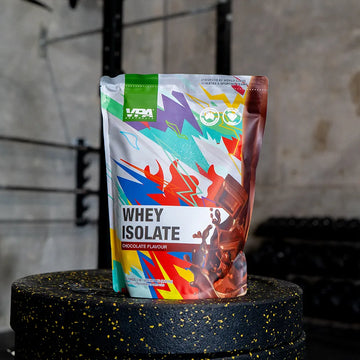
VPA Whey Protein Isolate (wpi protein) delivers 27g of pure protein per serve with minimal fat (0.2g) and carbs. It's fast-absorbing and contains 4.2g of leucine - the amino acid most critical for triggering MPS. If you're going to drink, having high-quality WPI protein on hand ensures you're still feeding the muscle-building process.
And avoid mixing alcohol with calorie-dense sugary drinks. Alcohol itself is 7 empty calories per gram. Sugary mixers add more empty calories without nutritional benefit. Always choose lower-calorie options when possible.
Sleep Protection
If you're drinking in the evening, do it early enough that you can get several hours of buffer before bed. Alcohol consumed close to bedtime has the most severe sleep disruption.
Consider your bedroom environment: dark, cool (around 16–18°C), quiet. These optimise whatever sleep quality remains.
VPA Micellar Casein taken before bed (30–60 minutes prior) provides a sustained release of amino acids throughout the night - essentially feeding your muscles during sleep when alcohol would otherwise be disrupting recovery. It also contains tryptophan and amino acids shown to support sleep quality. Perfect as bedtime protein for muscle gains.
Support Recovery with the Right Supplements
Beyond protein, targeted recovery support becomes more important when alcohol enters the picture. The best muscle recovery supplements target specific recovery mechanisms - protein synthesis, mineral balance, sleep quality, and hormone support. To maximise your gains, pair smart supplementation with proper nutrition, including understanding calorie surplus principles for muscle gain.
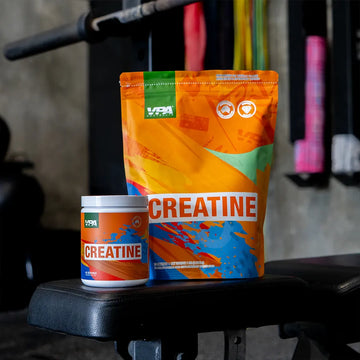
VPA Creatine Monohydrate enhances ATP production - your cells' energy currency. This supports strength and endurance during training and accelerates recovery. Consuming 5g daily (ideally 30 minutes pre-workout) gives your muscles additional ATP availability to offset some of alcohol's recovery-dampening effects. Why you should be using creatine becomes even clearer when alcohol's in the picture.
ZMA6 Recovery addresses the mineral depletion that both heavy training and alcohol cause. Alcohol is a diuretic - it increases urination and depletes magnesium and zinc. Both minerals are essential for muscle protein synthesis and nervous system function. ZMA6 Recovery replaces these minerals while providing L-Glutamine to support protein synthesis and GABA for sleep quality. Taking it post-training helps offset the combined mineral loss from both exercise and drinking.
FAQs
Does Alcohol Stop Muscle Growth?
No, not entirely. But heavy or frequent drinking does meaningfully slow it by suppressing protein synthesis, disrupting hormones, and degrading sleep. The impact depends on dose, timing, and frequency.
Can You Drink Alcohol and Still Build Muscle?
Yes. Occasional moderate drinking has minimal impact on muscle growth in the context of consistent training and proper nutrition. The problems come up with heavy or frequent consumption, especially post-workout.
Do Bodybuilders Drink Alcohol?
Many do, particularly socially and in moderation. Elite bodybuilders preparing for competition typically avoid it entirely during strict prep phases. During off-season or maintenance phases, occasional drinking is common.
How Long Does Alcohol Affect Muscle Growth After Drinking?
Alcohol and muscle recovery suppression persists for several hours post-consumption (most significant at 2–8 hours). Hormonal effects can persist 10–20 hours. Sleep disruption extends into the next day.
Is One Drink After Training Bad for Muscle Growth?
A single drink post-training has minimal impact compared to heavy drinking. However, the timing is still suboptimal. If you're going to drink, wait several hours post-workout and prioritise protein intake to minimise disruption.
Will I Gain More Muscle if I Quit Drinking?
If you were drinking heavily, yes - you'll likely see improved recovery, better sleep, normalised hormones, and faster muscle growth. If you were drinking occasionally and moderately, the difference is negligible.
Does Alcohol Affect Muscle Growth in Women Differently?
The mechanisms are similar across sexes. Women typically have lower baseline testosterone, so relative hormonal suppression can be more impactful. Sleep and recovery disruption affect both equally. The dose-response relationship holds for both.
The Bottom Line
Does alcohol affect muscle growth? Yes, that's established science. But the impact scales with dose, timing, and frequency. Heavy drinking immediately post-workout is genuinely problematic. Occasional moderate drinking in non-training contexts is usually negligible.
If muscle growth is your priority, minimise alcohol consumption, time it away from training, prioritise protein intake, protect your sleep, and consider recovery-supporting supplements like VPA Whey Isolate, VPA Micellar Casein, VPA Creatine Monohydrate, and ZMA6 Recovery.
You don't need to choose between building muscle and having a social life. You just need to understand the trade-offs, make intentional choices, and optimise recovery when you do drink.
Train hard. Eat well. Sleep enough. And if you choose to drink, do it smartly.
References:
-
MedlinePlus. What are proteins and what do they do? U.S. National Library of Medicine. Accessed August 3, 2025. https://medlineplus.gov/genetics/understanding/howgeneswork/protein/
-
Bulk Nutrients. Bulk Nutrients. Accessed August 3, 2025. https://www.bulknutrients.com.au
-
True Protein. True Protein. Accessed August 3, 2025. https://www.trueprotein.com.au/
-
Van De Walle G. Does protein powder expire? Healthline. Published January 8, 2024. Accessed August 3, 2025. https://www.healthline.com/nutrition/does-protein-powder-expire#basics