


![[Batch-tested] Collagen Pro® - Protein Powder](http://www.vpa.com.au/cdn/shop/files/vpa-australia-collagen-powder.webp?v=1770851517&width=360)

Medical Disclaimer: This content is for educational purposes only and should not be considered medical advice. GLP-1 supplements or medications are prescription-only medicines in Australia and must be prescribed and monitored by a qualified healthcare professional. If you are taking a GLP-1 medication or considering one, consult your GP or healthcare provider before making changes to your diet, supplements, or exercise routine. Always speak with an Accredited Practising Dietitian (APD) for personalised nutrition advice tailored to your individual health status and medication use.
TL;DR
-
GLP-1 supplements/medications suppress your appetite significantly, so you eat much less overall.
-
Without enough protein, you'll lose muscle alongside fat, which hurts strength and metabolism.
-
Clinical guidance recommends 1.2-1.6 g of protein per kilogram of body weight daily - roughly double the standard amount.
-
Food alone often won't hit that target when appetite is suppressed, so protein powder becomes essential.
-
WPI protein works best in this context: absorbs fast, delivers pure protein, nearly lactose-free.
-
Spread protein across meals and use shakes when solid food feels impossible. Stay consistent, and you'll preserve muscle while losing fat.
What Are GLP-1 Medications?
GLP-1 medications help your body feel fuller and eat less by mimicking a natural hormone your body already makes.
In Australia, the TGA (Therapeutic Goods Administration) has approved several GLP-1 medications. You might know them by brand names like Ozempic diet protein (Ozempic), Wegovy, Trulicity, or Mounjaro. Some treat type 2 diabetes; others manage weight.
These medications work by slowing digestion and sending "I'm full" signals to your brain. The result is that you eat less without constantly fighting hunger. But here's the catch - when you eat much less, your muscles can suffer without proper nutrition. That's why what you eat matters so much right now.
Why Protein Intake Matters More on GLP-1 Medications
The Muscle Loss Problem
When you eat less (which is what GLP-1 medications make you do), your body needs energy. If you don't eat enough protein, your body starts breaking down muscle to fuel itself. That's a problem because muscle-loss, weight-loss drugs can reduce strength, slow metabolism, and lead to poorer health over time.
Research shows that about 20–30% of weight lost on GLP-1 medications comes from muscle, not just fat. The good news? You can prevent this. People who eat enough protein and do resistance training retain their muscle and strength while losing weight.
Simple rule: high protein intake with GLP-1 = muscle stays. Skip protein = muscle goes.
The Protein Target for GLP-1 Users
Standard recommendations suggest 0.8g of protein per kilogram body weight. On a GLP-1 medication, you need considerably more.
Australian doctors recommend protein per kilogram body weight of 1.2–1.6g daily - roughly double the normal amount. Why? Because you're eating less overall, so every bit of protein needs to count. Higher protein helps preserve muscle, keeps you fuller, and repairs the muscle you're training.
Quick math: if you weigh 80kg, aim for 96–128g of protein daily. That's roughly 4–5 servings of protein powder, or a mix of food and shakes.
Why Food Alone Often Falls Short
GLP-1 medications kill your appetite. Most people feel full after small meals, some get nausea, and many lose interest in eating altogether. When you're not hungry, you naturally reach for easy foods - soup, crackers, toast. These are convenient, but they're low in protein. A small bowl of soup might feel like "enough," but it won't hit your 100+ gram daily target.
Plus, some users experience food aversions. Meat or eggs suddenly feel unappealing, or they trigger nausea. Eating enough whole food protein becomes genuinely difficult in these situations. This is where protein powder stops being optional and becomes essential.
Why Protein Powder Has Gotten More Expensive in Australia
Yes, protein powder in Australia costs more than it used to. Whey (the main ingredient in most protein powder) is a byproduct of cheese-making, and supply has never been abundant. But demand is massive right now - athletes, older adults, food companies adding protein to everything, and millions of people on GLP-1 medications all want it. Production simply can't keep up.
Between August 2024 and December 2025, global whey protein prices jumped 50%. In the US, they tripled. Australia imports most of its protein powder, so we felt these increases directly. VPA updated its prices in April 2026 because of these pressures. The company held prices as long as possible, but eventually the global costs made increases unavoidable.
Bottom line: yes, it costs more now. But it's still the most practical way to hit your protein targets when appetite is suppressed.
How to Hit Your Protein Targets When Your Appetite Is Suppressed
Prioritise Protein at Every Meal
When you're eating less, every bite matters. Make protein the star of every meal - whether that's eggs with your toast instead of just toast, chicken with your rice instead of just rice, or yoghurt with your berries instead of just berries.
Lead with protein by eating it first and making sure every eating occasion includes some. Spread it across meals and aim for 20–30g per meal rather than cramming 80g into one go.
Use Protein Powder to Close the Gap
If you've eaten throughout the day and hit 60g of protein but need 120g, you've got a 60g shortfall. One protein powder shake closes it instantly without forcing you to eat another full meal. Protein powder works when appetite is suppressed because it takes 10 seconds to drink, is easier on your stomach than solid food, delivers 24–27g of pure protein per serving, and won't bloat you or trigger nausea.
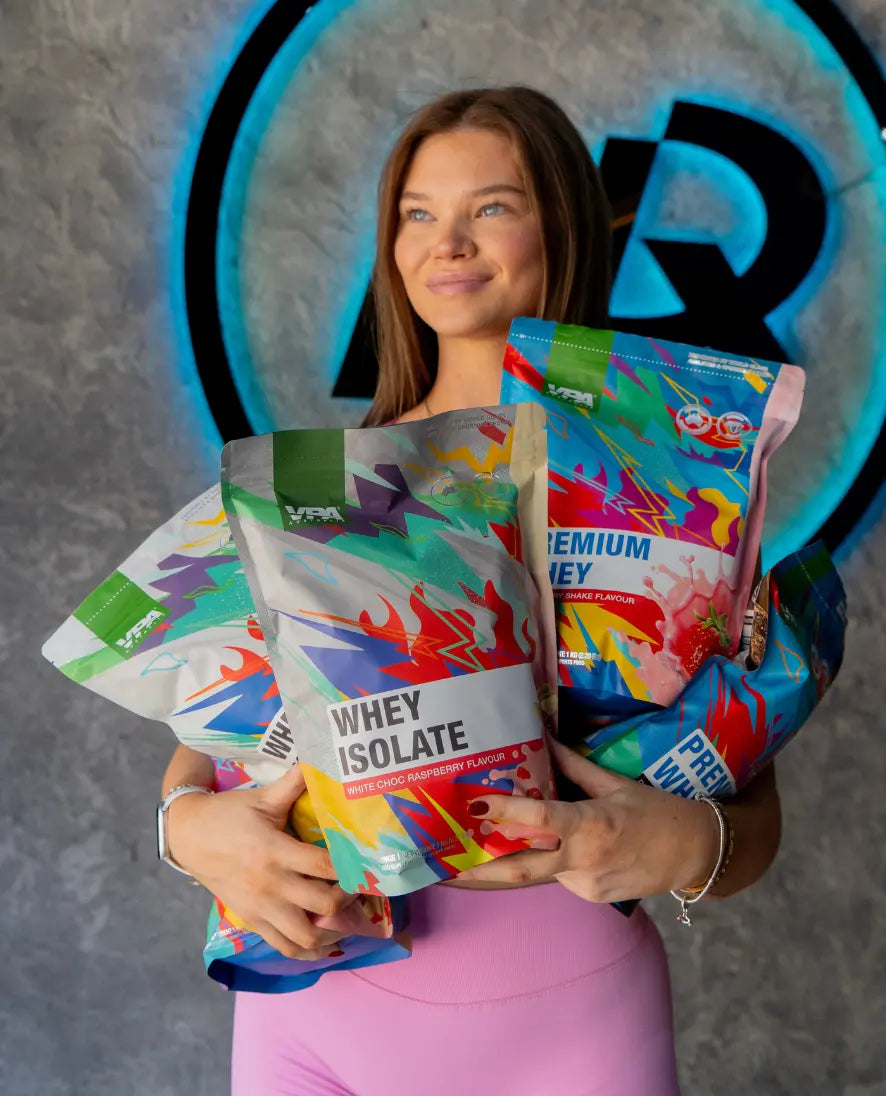
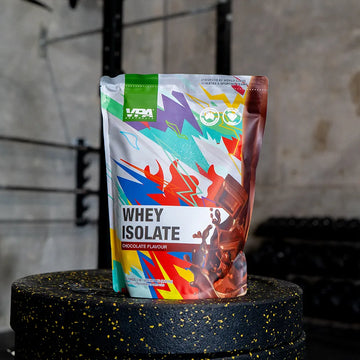
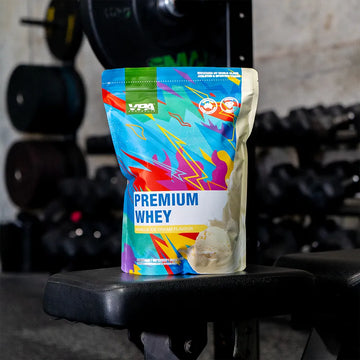
VPA's WPI protein (Whey Protein Isolate) works here. It delivers 27g protein per shake with almost zero fat (0.2g) and minimal carbs, absorbs fast so your muscles get it quickly, and is nearly lactose-free so you won't have a stomach upset. If you want something more affordable, VPA's Premium Whey (WPC) gives 24g per serve at lower cost and digests slower, which some people prefer. But keep in mind: protein powder isn't replacing meals - it's filling the gap when you're too full for whole foods.
Spread Protein Intake Across the Day
Don't try hitting your entire daily target in one or two sittings. Instead, spread it out across the day. If you need 120g daily, aim for 25–30g at breakfast, 25–30g at lunch, 20–25g as an afternoon snack, and 25–30g at dinner. This approach supports muscle building better and makes it easier to hit targets when appetite is limited.
Prioritise Liquids When Solids Are Hard
Some days, solid food sounds impossible due to nausea, food aversions, or simply no hunger. On those days, go liquid with protein shakes, bone broth, soup, or smoothies. These deliver protein without taxing your digestion. During difficult appetite phases, this approach works well.
Choosing the Right Protein Powder in This Context
If you're using GLP-1 medications like semaglutide for nutrition and dealing with appetite suppression, choosing the right whey protein powder for weight loss matters. The decision between WPI vs WPC becomes especially important when your appetite is suppressed.
Why WPI Suits a Reduced-Appetite Context
WPI protein gives you exactly what you need in this situation. It's 90% protein with almost zero carbs (1g) and nearly zero fat (0.2g) - that's pure efficiency. WPI reaches your muscles within 60–90 minutes, making it perfect for post-workout or whenever you need quick protein without feeling heavy. At 99% lactose-free, it's gentler than regular protein powder (which can cause bloating or nausea, since GLP-1 medications can upset the stomach).
When nausea is an issue, this matters significantly. And if you're on a GLP-1 medication for weight loss, you don't want extra carbs or fat - WPI keeps these minimal.
Compare this to VPA's Premium Whey (WPC), which has 24g protein per serve with more carbs (~3g) and fat (~3g). It digests slower, which some prefer for extended fullness, and it's cheaper, making it great for everyday use. But for reduced-appetite situations? WPI is the better choice because it's built for GLP-1 users. WPC works fine for general protein support.
The Broader Protein Powder Range
VPA has more options beyond WPI and WPC for whatever you need. Whether you want everyday support, whey protein in Australia-based options, or alternative proteins, there are choices. Pick high-quality whey protein powder for weight loss that won't stress your stomach. WPI is the top pick for GLP-1 users, but VPA's range ensures something works for everyone.
The Bottom Line
GLP-1 medications work, but only if you support them with proper nutrition. Protein is key - it's the difference between losing fat and losing muscle. Your target is protein per kilogram body weight of 1.2–1.6g daily. Food is ideal, but when appetite dies, protein powder fills the gap fast.
VPA's WPI protein (Whey Protein Isolate) is perfect for this because it's pure protein, absorbs quickly, and won't upset your stomach. Whey protein options in Australia exist, and this one is specifically designed for people managing their weight and appetite. Use it to hit your targets when solid food feels impossible.
Here's what works: eat protein at every meal, spread it across the day rather than all at once, use protein powder for weight loss when whole food is too much, do resistance training to keep muscle, and sleep well for recovery. Do these things consistently, and you'll lose fat, keep muscle, and achieve lasting results.
FAQs
Do I need protein powder if I am on a GLP-1 medication?
Not strictly - but it's incredibly practical. Hitting your protein target through food alone is hard when you're not hungry. Protein powder lets you get your protein without force-feeding yourself. It's especially important when nausea hits, or appetite is at its lowest.
How much protein should I eat on a GLP-1 medication?
Australian doctors recommend 1.2–1.6g of protein per kilogram body weight daily. That's approximately double the standard amount because you're eating less and need to protect your muscles.
How much protein do I need? Quick math: an 80kg person needs 96–128g per day. Track it for a few weeks, see how you feel, and adjust. Talk to a dietitian for your personal target. Use the VPA protein calculator to work out your exact daily needs based on your body weight and fitness goals.
The same protein targets apply whether you're managing weight with GLP-1 medications or recovering from weight loss surgery - the principle of preserving muscle during significant weight loss remains the same.
Is WPI better than WPC for people with a suppressed appetite?
Yes, in this situation. WPI protein has fewer carbs and fat, absorbs faster, and is nearly lactose-free. All of this means less nausea and bloating when appetite suppression happens.
WPC is cheaper and great for everyday use. But if nausea is your main problem, WPI protein is worth it.
Can I use protein powder to replace a meal?
Ideally no. But during tough appetite phases? A shake might be the most realistic option. The goal is hitting your protein target - whether through food or shakes. Once appetite improves, gradually add whole foods back in.
Why has protein powder gotten more expensive in Australia?
Whey (the main ingredient) is tight globally. Demand is high - from athletes, older adults, and GLP-1 users. Most of the protein powders in Australia are imported, so we feel global price spikes directly. Whey protein prices jumped 250% in the US last year. VPA's April 2026 price update reflects these genuine global pressures.
What is the easiest way to consume protein when I do not feel like eating?
Liquids. A protein powder shake takes 10 seconds and feels lighter than solid food. Mix it with water or milk and drink. Bone broth, soup, or smoothies work too. Keep single-serve shakers handy for low-motivation days. On tough days, a quick shake beats skipping protein entirely.
References:
-
Therapeutic Goods Administration (TGA). (2025, June 3). Medicines containing GLP-1 and dual GIP/GLP-1 receptor agonists. https://www.tga.gov.au/news/safety-updates/medicines-containing-glp-1-and-dual-gipglp-1-receptor-agonists
-
Pharmaceutical Benefits Advisory Committee (PBAC). (2026, March 17). PBAC advice on equitable access to GLP-1 obesity treatments. https://pbs.gov.au/reviews/PBAC-advice-equitable-access-to-GLP-1-obesity-treatments
-
Crown Street Medical Centre. (2026, March 19). Injectable weight loss medications and new oral GLP-1 medications: A 2026 update (a Surry Hills doctor/GP guide). https://crownstmedicalcentre.com.au/injectable-weight-loss-medications-and-new-oral-glp-1-medications-a-2026-update-surry-hills-doctors-gps/
-
Ray, S. (2026, May 15). 2026 protein price update. VPA Australia. https://www.vpa.com.au/pages/price-increase-042026
-
Deor, A. (2026, February 3). In 2026, what do we really know about the science of Ozempic-like drugs? Hormones Australia. https://www.hormones-australia.org.au/in-2026-what-do-we-really-know-about-the-science-of/
-
YNet News. (2026, June 14). The global protein craze is creating a whey shortage and sending prices soaring. YNet News. https://www.ynetnews.com/business/article/skp0fk3zfe