


![[Batch-tested] Collagen Pro® - Protein Powder](http://www.vpa.com.au/cdn/shop/files/vpa-australia-collagen-powder.webp?v=1770851517&width=360)

TL;DR
What you eat before the gym matters. The right pre-workout meal fuels your muscles, sharpens your mind, and sets you up for better performance and faster recovery. Aim for a well-balanced meal 2-3 hours before training, or a quick carb-and-protein snack 30-90 minutes before. Whether you're chasing strength gains, burning calories, or just showing up for a HIIT sesh, this guide breaks down exactly what to eat before a workout and why it matters.
Why Your Pre-Workout Meal Matters
Your body is like a car - you wouldn't attempt a long drive on an empty tank. The same applies to training.
What Food Does Before Training
When you eat before a workout, you're replenishing your muscle glycogen stores (your muscles' preferred energy source), providing amino acids for muscle support, and stabilising your blood sugar so your brain stays sharp and your body performs at its best.
Without adequate fuel, your muscles don't have enough glucose to sustain performance. Your nervous system can't function as efficiently, and worst of all, your body may start breaking down muscle tissue for energy - the exact opposite of what you want if you're trying to build strength and muscle.
What Happens If You Train Without Eating
Training on an empty stomach sounds tempting - especially when you've heard the whole "burn more fat" pitch. But here’s the truth: fasted exercise does burn a bit more fat during the actual workout (like 3g more), but your body just compensates later. When you look at the full day's calories, timing doesn't matter nearly as much as total intake.
The real issue? Without pre-workout food, you can't actually perform at your best. For anything intense, like heavy lifting, sprints, or workouts lasting more than 60 minutes, an empty stomach means you'll hit lower power output, get tired more easily, and recover more slowly. Your muscles don't have the amino acids they need to start rebuilding, so you're basically working harder to build less.
Light cardio under 45 minutes fasted? You'll probably be fine. Everything else deserves something in your stomach.
The Key Macros for a Pre-Workout Meal
Pre-workout food matters, but so does the mix of nutrients on your plate. Each macronutrient has a different job to do.
Carbohydrates — Your Primary Fuel
Carbs before a workout are the highlight of the pre-workout show. When you eat carbohydrates, your body breaks them down into glucose (immediate energy for your muscles and brain). During training, your muscles burn through their glycogen stores at a predictable rate. Eating pre-workout carbs tops up those stores, allowing you to train harder, longer, and with better focus.
The type of carb matters relative to timing. Complex carbs like oats, whole grains, potatoes, and brown rice digest slowly and provide steady energy - perfect for meals eaten 2-3 hours before training. Simple pre-workout carbs like bananas, white bread, sports drinks, and rice cakes digest fast and deliver quick energy - ideal for snacks eaten 30-60 minutes before.
For a better understanding, check out our full guide on carbohydrates and exercise.
Protein — For Muscle Support
Protein before a workout provides amino acids that support muscle tissue, reduce muscle breakdown during training, and create an optimal environment for muscle growth. Research suggests consuming 10-40g of protein (depending on body size and timing) in your pre-workout meal is enough to trigger muscle protein synthesis without overloading your digestive system.
A practical approach: aim for moderate protein (20-30g) in meals eaten 2-3 hours before training, and 5-10g in quick snacks eaten 30-60 minutes before.
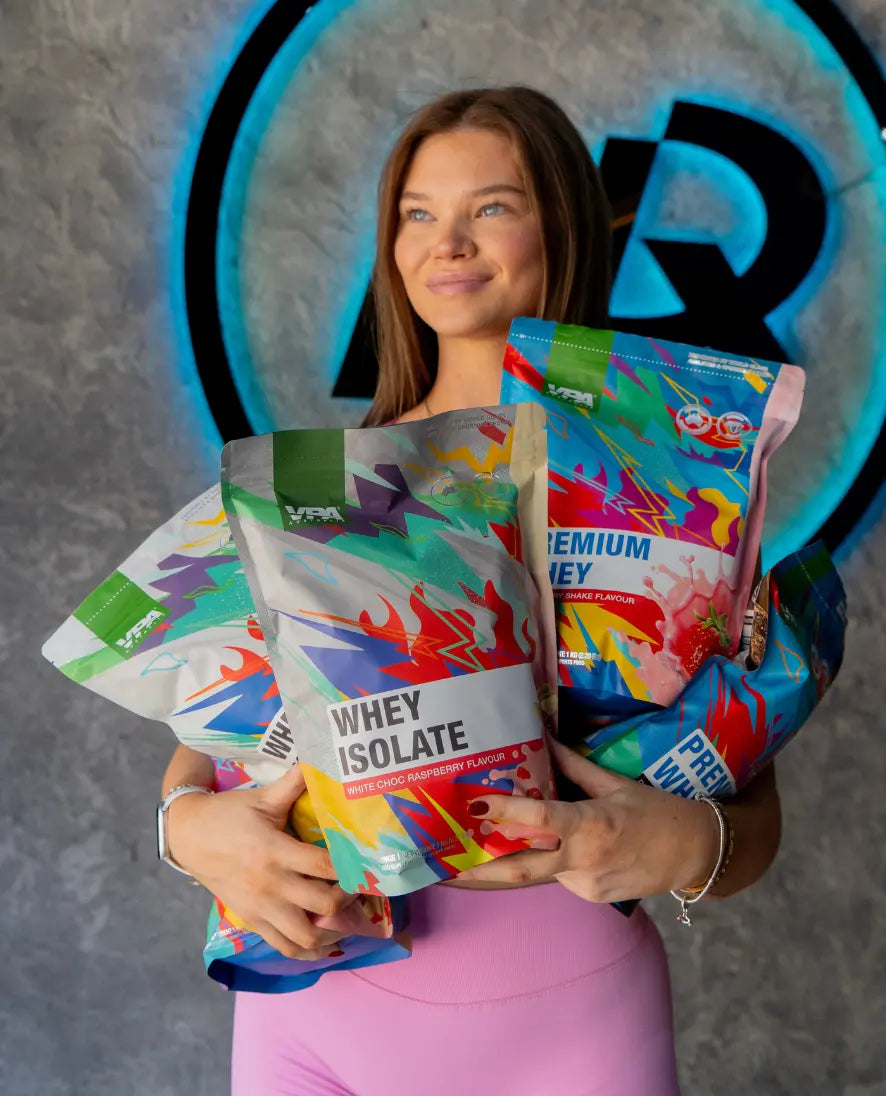
If whole food isn't convenient, a protein shake works perfectly. Premium Whey (WPC) delivers 24g of protein with minimal fat and carbs, making it a good option to mix with water or milk. It digests easily and gives your muscles exactly what they need without heaviness.
Fat — Keep It Low Close to Training
Fat digests slowly, which means it stays in your stomach longer. Eat too much fat too close to training, and you'll feel sluggish, bloated, or nauseous. Include a small amount of healthy fat in meals eaten 2-3 hours before training, but keep it minimal in pre-workout snacks eaten 30-90 minutes before.
Pre-Workout Meal Timing — What to Eat and When
Now that you understand why pre-workout nutrition matters, let's break down what to eat, when to eat it, and some good meal options.
2-3 Hours Before Training — Full Meal
This is your sweet spot for a complete, balanced meal. Your digestive system has time to break everything down, and nutrients are available in your bloodstream exactly when you need them.
What to eat 2-3 hours before a workout: A meal containing roughly 40-50g carbs, 20-30g protein, and a modest amount of fat.
Examples:
-
Chicken breast with brown rice and steamed vegetables
-
Eggs on whole wheat toast with orange juice
-
Oatmeal with banana and almonds
-
Turkey sandwich on whole grain bread with fruit
60-90 Minutes Before Training — Light Meal or Snack
You still have time to digest, but go lighter on volume and fibre.
What to eat 60-90 minutes before a workout: 30-60g of easily digestible carbs plus 5-10g protein.
Examples:
-
Banana with Greek yogurt
-
Rice cakes with almond butter and honey
-
White bread toast with jam
-
Protein shake mixed with fruit juice
At this timing, go for simple, high-glycemic index carbs - they digest fast and deliver energy quickly. Skip complex carbs and high-fibre foods as they'll sit in your stomach during intense work.
Looking for quick, tested pre-workout meal ideas? Explore our 10 quick pre-workout bites.
30 Minutes or Less Before Training — Quick Fuel Only
At this point, your body needs fast carbs and nothing else.
What to eat 30 minutes before a workout: 15-30g of simple carbs. Protein and fat are optional; they'll only slow digestion.
Examples:
-
A banana
-
White bread with jam
-
A sports drink
-
Rice cake with honey
If you want minimal protein at this late stage, make a small protein shake mixed with water. The priority is speed of absorption.
For more creative options, check out our pre-workout snack ideas.
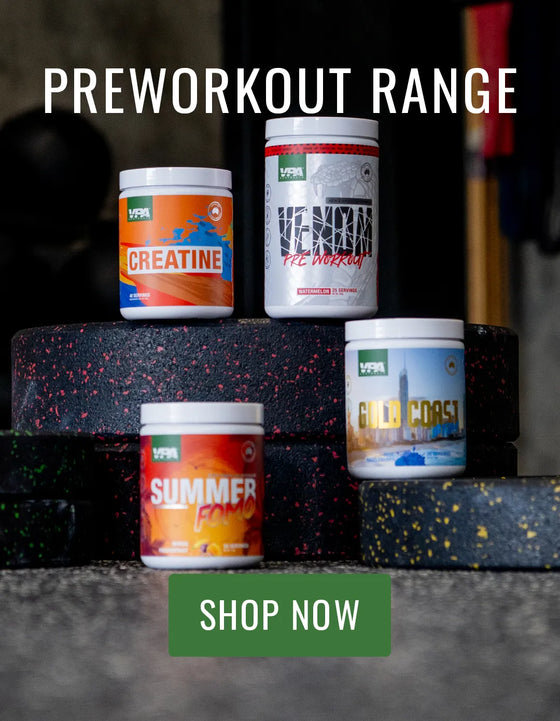
And if you're interested in supplementing this quick fuel, Gold Coast Stim Pre-workout is designed to be mixed and consumed just 20-30 minutes before training. It gives you caffeine for energy and focus, plus creatine and beta-alanine for endurance support - all without requiring digestion of solid food.
Best Pre-Workout Meals by Goal
Pre-Workout Meal for Muscle Gain
If you're training to build muscle, pre-workout meal nutrition is most important. In your pre-workout meal for muscle gain, you want to maximise protein availability while ensuring enough carbs to train hard.
Strategy: Prioritise both carbs and protein equally.
Meal example (2-3 hours before): Grilled chicken (30g protein) with sweet potato and green vegetables, plus juice (50g carbs). The protein supports muscle repair. The carbs fuel high-intensity training and help your body stay in an anabolic state.
Pre-workout snack example (60-90 minutes before): Greek yogurt (20g protein) with berries and honey (30g carbs).
When you fuel properly before training, you have the energy to lift heavier, do more reps, and push harder - that's what builds muscle.
Pre-Workout Meal for Weight Loss
If fat loss is your goal, fuel properly but be strategic about portions.
Strategy: Eat enough pre-workout carbs to perform, but keep total calories controlled. Protein becomes more important because it helps you feel full AND helps preserve muscle during a calorie deficit.
Meal example (2-3 hours before): Lean turkey (25g protein) with white rice (40g carbs) and broccoli.
Pre-workout snack example (60-90 minutes before): Banana (25g carbs) with protein powder (15g protein) mixed into water.
Training on adequate fuel supports fat loss better than training hungry. When you're fuelled, you perform harder, burn more calories during the session, and recover better.
For a deeper dive, read our guide on whey protein for weight loss.
Pre-Workout Meal for Morning Training
Early morning workouts are tough - you've been fasting overnight, and your liver glycogen is depleted. You need quick, easy-to-digest carbs plus minimal protein.
Strategy: Keep it small and simple. Prioritise fast carbs.
Options:
-
A banana (15 minutes before)
-
White toast with jam (30 minutes before)
-
A sports drink (15-30 minutes before)
If you're struggling with energy during early sessions, a pre-workout supplement like Gold Coast Stim can provide that extra boost. The caffeine is especially useful in the morning.
Pre-Workout Meal for Evening Training
Evening training allows for heavier, more satisfying meals because you have time for digestion.
Strategy: Go bigger and more balanced. Aim for the full 2-3 hour window if possible.
Options:
-
Grilled salmon (30g protein) with brown rice and roasted vegetables
-
Chicken and pasta with light sauce
-
Greek yogurt with granola if eating closer to training time
Just avoid training immediately after eating - you'll feel sluggish and potentially nauseous.
Foods to Avoid Before Training
High-Fat Foods
Bacon, fried foods, heavy cream sauces, fatty cuts of meat, and buttery pastries all digest slowly. They'll sit in your stomach during training, causing bloating and sluggishness.
High-Fibre Foods in Large Quantities
Beans, lentils, and raw vegetables cause bloating and digestive distress when consumed in large amounts close to training.
High-Sugar Processed Foods
Candy bars, soft drinks, and sugary pastries cause rapid blood sugar spikes followed by crashes. You'll feel energised for 10-15 minutes, then hit a wall mid-workout.
Anything Too Heavy or Unfamiliar
Don't experiment with new foods before training. Stick with foods you know your body tolerates well.
Do You Need a Pre-Workout Supplement as Well?
No, you don't need a pre-workout supplement if you're eating well. Food is your primary fuel source. A well-structured pre-workout meal - carbs, protein, and strategic timing - will get you 90% of the way there.
That said, pre-workout supplements also have a place. They're useful when:
-
You don't have time to eat - A pre-workout powder mixed with water delivers energy, focus, and endurance support in 30 seconds, without the need for solid food digestion.
-
You're training early morning - A scoop of powder is easier to consume than a full meal when you're half-asleep.
-
You're looking for that extra edge - Pre-workout formulas contain scientifically validated ingredients such as caffeine, beta-alanine, creatine, and citrulline malate, which have been shown to improve strength, endurance, and mental focus.
Gold Coast Stim Pre-workout is designed as a beginner-friendly option. It contains caffeine (~230mg per serve) for energy and focus, plus creatine monohydrate, beta-alanine, and citrulline malate - all AIS Group A supplements backed by research.
Take it 20-30 minutes before training, mixed with water.
And for a better comparison, explore our best pre-workout supplements guide, or check out stim vs non-stim pre-workout to see which approach suits your needs.
Conclusion
Pre-workout meal nutrition isn't complicated, but it does matter. The right meal eaten at the right time gives you energy, focus, strength, and endurance. It supports muscle growth and helps you recover faster.
Your pre-workout nutrition strategy should be:
-
Carb-focused - They're your primary fuel.
-
Moderate in protein - Enough to support muscle, not so much that you feel heavy.
-
Low in fat and fibre close to training - Save those for meals earlier in the day.
-
Timed to your schedule - 2-3 hours for a full meal, 60-90 minutes for a light snack, 30 minutes for quick carbs only.
Experiment, find what works for your body, and stick with it. Remember: consistency beats perfection every time.
Looking to add a pre-workout supplement to your routine? VPA’s Gold Coast Stim goes well with proper nutrition and training.
Frequently Asked Questions
What should I eat before a workout?
The ideal pre-workout meal contains carbs for energy, moderate protein for muscle support, and minimal fat and fibre. Examples include oatmeal with banana and almonds (2-3 hours before), or banana with Greek yogurt (60-90 minutes before).
What should I eat 30 minutes before a workout?
Go for fast, easily digestible carbs with minimal protein, fat, and fibre. Examples: banana, white toast with jam, rice cakes with honey, or a sports drink.
What is the best pre-workout meal for muscle gain?
The best pre-workout meal for muscle gain prioritises both carbs and protein equally. Aim for 40-50g carbs and 20-30g protein eaten 2-3 hours before training. Example: grilled chicken with brown rice and vegetables.
Should I eat before a morning workout?
Yes. A small pre-workout snack improves performance and energy. A banana, white toast, or sports drink 15-30 minutes before training is enough.
Is it OK to train on an empty stomach?
For light-intensity cardio under 45 minutes, yes. For high-intensity training, strength work, or sessions over 60 minutes, eat something first. Fasted training limits power output, reduces focus, and may cause muscle breakdown.
How long before a workout should I eat?
Timing depends on meal size. Large, balanced meals: 2-3 hours. Light snacks: 60-90 minutes. Quick carbs: 15-30 minutes.
What foods should I avoid before training?
Avoid high-fat foods (fried foods, heavy sauces), high-fibre foods in large quantities (beans, raw vegetables), high-sugar processed foods (candy, soft drinks), and anything unfamiliar.
Do I need a pre-workout supplement if I've eaten well?
No. A balanced pre-workout meal covers most of your bases. Pre-workout supplements are optional and useful when you don't have time to eat solid food, want that extra boost, or are training fasted.
What's the difference between a pre-workout meal and a pre-workout snack?
A pre-workout meal is larger, more balanced, and eaten earlier (2-3 hours before training). A pre-workout snack is smaller, simpler, and eaten closer to training (30-90 minutes before). Pre-workout meal ideas fuel sustained energy, pre-workout snack ideas provide quick boosts.
What should I eat after a workout?
Aim for protein and carbs within 1-2 hours after training. Examples: Greek yogurt with fruit, chicken with rice, or a protein shake with banana. For a detailed guide, read our article on eating for post-workout recovery.
References:
- Kerksick, C. M., Arent, S., Schoenfeld, B. J., Stout, J. R., Campbell, B., Wilborn, C. D., Taylor, L., Kalman, D., Smith-Ryan, A. E., Kreider, R. B., Willoughby, D., Arciero, P. J., VanDusseldorp, T. A., Ormsbee, M. J., Wildman, R., Greenwood, M., Ziegenfuss, T. N., Aragon, A. A., & Antonio, J. (2017, August 29). International society of sports nutrition position stand: Nutrient timing. Journal of the International Society of Sports Nutrition, 14, Article 33. https://doi.org/10.1186/s12970-017-0189-4
- Murphy, L. (2017, April 3). Nutrient timing: Pre and post-workout questions answered! NASM Blog. https://blog.nasm.org/workout-and-nutrition-timing
- Kaminski, J. (n.d.). What to eat before a workout: Preworkout nutrition tips. NASM Blog. https://blog.nasm.org/what-to-eat-before-a-workout
- Semeco, A. (2024, December 12). Pre-workout nutrition: What to eat before a workout. Healthline. https://www.healthline.com/nutrition/eat-before-workout
- Perfect Snacks. (2026, January 13). Best pre workout snacks: Fuel smart before you train. https://perfectsnacks.com/blogs/post/best-pre-workout-snacks-fuel-smart-before-you-train
- The Bodybuilding Dietitians. (2025, November 24). What to eat before training: Pre-workout nutrition guide for meal timing and digestion. https://www.thebodybuildingdietitians.com/blog/what-to-eat-before-training-pre-workout-nutrition-guide-for-meal-timing-and-digestion