



![[Batch-tested] Collagen Pro® - Protein Powder](http://www.vpa.com.au/cdn/shop/files/vpa-australia-collagen-powder.webp?v=1770851517&width=360)

Proteins are the main building blocks of our bodies. Protein sources generally speaking are from animals, such as meat, fish, eggs or dairy. It you are a vegan or vegetarian, it may be challenging to get enough protein without being informed of good sources and the amount of protein your body requires.
Amino acids are the building blocks of protein, some being produced by our body whilst others we need to get from our diet. Essential amino acids are the ones we are unable to produce in the body, making a protein shake a handy addition to the daily diet – as well as a great protein source. Like foods, some protein shakes will have all amino acids!
Protein is found in all foods, but some are especially good sources of the nutrient. Here's a look at 5 of the best sources of protein, including meats, seafood and dairy products — plus one surprising source.
1. Eggs
Eggs are a good source of protein. One egg has around 6 grams of protein, which is about 12 percent of the daily value. Eggs are considered one of the best sources of protein, because they contain all the essential amino acids (the building blocks for proteins).
2. Chicken breast
Chicken breast is the most popular cut of chicken because it's easy to cook, versatile and relatively inexpensive. It's also a good source of protein, providing about 25 grams in a 3-ounce serving. Protein is essential for growth, tissue repair and other bodily functions.
3. Turkey breast
Turkey breast is a great source of protein and it's low in fat. The protein in turkey helps the muscles repair themselves after workouts, and it also helps keep you full and satisfied.
4. Fish (tuna, salmon and cod)
Fish is a great source of protein. It's low in calories, fat and carbohydrates and high in omega-3 fatty acids, which are good for your heart. Fish also contains vitamin D, selenium and other nutrients that promote health.
5. Cottage cheese
Cottage cheese is low in calories and fat and high in protein. It is made by curdling milk with an acid (usually vinegar or lemon juice). The curds are then drained off and pressed into the shape of a block or tub. Cottage cheese is usually eaten as a snack or used as an ingredient in recipes.
How much do you need?
| Person, Situation & Goals | Ideal Daily Protein Intake |
|
Average healthy sedentary adult (male or female) that does work out or have any related goals. This is just what I consider to be a good minimum daily protein intake for general health/function. |
0.5-0.7 grams of protein per pound of body weight. |
|
Average healthy adult (male or female) that IS doing some form of exercise regularly or IS trying to improve their body (lose fat, build muscle, etc.). This is the minimum I’d recommend in this case. |
0.8-1 grams of protein per pound of body weight. |
|
Average healthy adult whose primary goal is building muscle, getting “toned,” maintaining muscle while losing fat, increasing strength or improving performance. |
1-1.2 grams of protein per pound of body weight. |
|
Average healthy adult whose primary goal is building muscle, getting “toned,” maintaining muscle while losing fat, increasing strength or improving performance. |
1-1.5 grams of protein per pound of body weight. |
When do you need protein?
Protein is needed to build strong and elastic muscle, just exercise will not build muscle; an adequate consumption of protein is needed.
- Early Morning
During sleep energy and nutrients are used from what has been consumed prior sleep. Once this energy store is depleted, we lose protein. Eating protein in the morning will replenish these stores.
- Post Workout
Resistance training creates tiny tears in our muscles – a normal part of the growth, repair and muscle rebuilding process, which requires adequate protein consumption.
- Between Meals
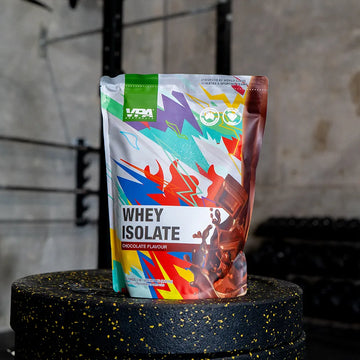
Eating protein between meals sends a steady and continual supply of protein to our muscles. Protein also helps us keep full and can prevent unhealthy snacking. A good protein for snack replacement is Whey Isolate (WPI). Our WPI makes an ideal snack since it is low in calories but high in nutrients that are key for muscle tissue support.
NB: Protein powders and supplements should be used in conjunction with a healthy diet and exercise routine. Make sure you discuss with your personal health carer before taking any supplements. Protein shakes should not replace meals.
References
http://www.bodybuilding.com/fun/5-ways-to-pick-good-protein-powder.htm
http://www.ausport.gov.au/ais/nutrition/factsheets/basics/protein_-_how_much
https://www.muscleandstrength.com/expert-guides/whey-protein
http://www.cosmopolitan.co.uk/body/diet-nutrition/a25027/health-benefits-of-protein/
http://www.acaloriecounter.com/diet/how-much-protein-per-day/