


![[Batch-tested] Collagen Pro® - Protein Powder](http://www.vpa.com.au/cdn/shop/files/vpa-australia-collagen-powder.webp?v=1770851517&width=360)

TL;DR
If you've been standing in front of two browser tabs trying to figure out your supplement brand, choose Bulk Nutrients or give VPA a go; here's the short version on Bulk Nutrients vs VPA protein.
-
Both are legitimate Australian supplement brands with strong reputations, real third-party testing, and enormous review counts. Neither one is a "cheap and nasty" operation, and anyone telling you otherwise is selling something.
-
On paper, Bulk Nutrients is a little cheaper per bag. At the time of writing, their WPI sits at $79.00 for 1kg and their WPC at $59.00, with multibuy pricing that drops further the more you order. VPA's Whey Isolate is $85.00, and Premium Whey (WPC) is $65.00, both 1kg.
-
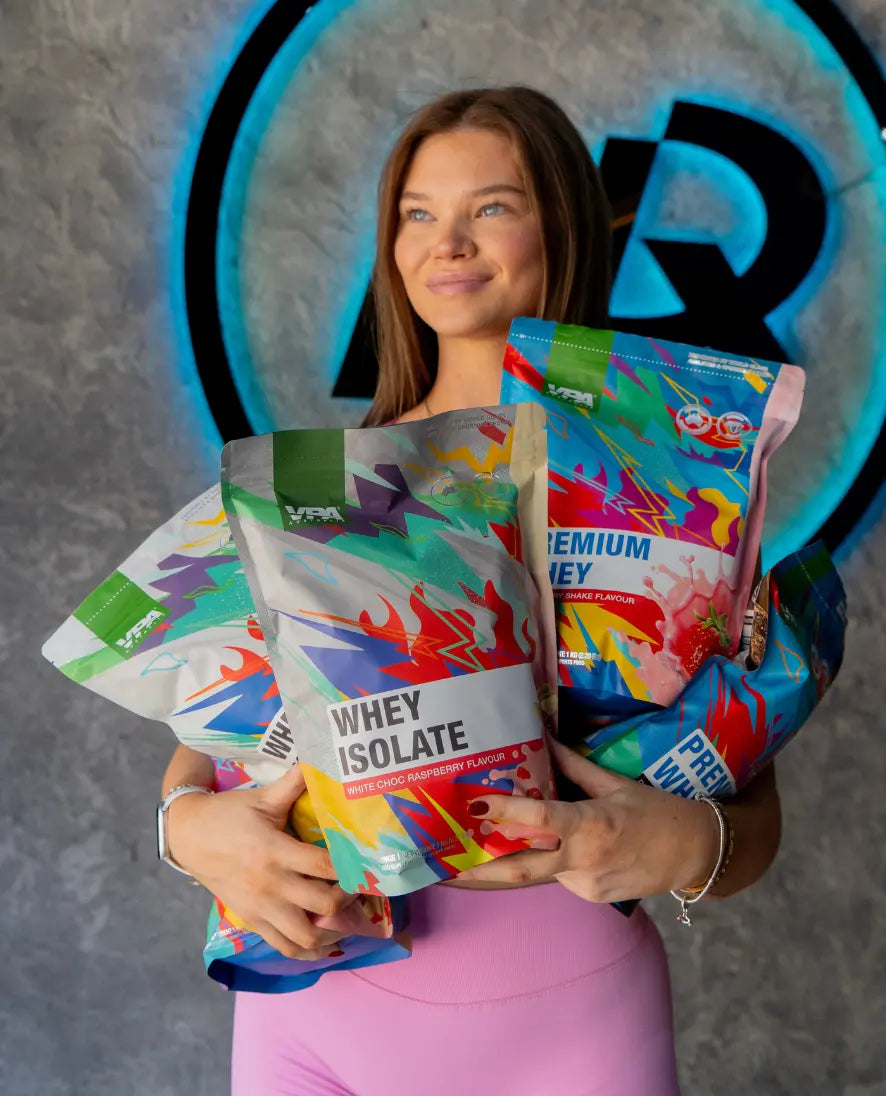
Where VPA tends to win people over is flavour range and taste: 19 flavours across both the WPI and WPC lines, backed by a Flavour Happiness Guarantee - plus Informed Sport certification on top of independent NMI lab testing, and free shipping on orders over $150.
-
Where Bulk Nutrients wins is raw cost-per-gram at RRP (Recommended Retail Price) and a genuinely impressive public testing archive, their flat $9 shipping is also hard to argue with if you're only buying one bag.
-
If price per gram is the only thing that matters, Bulk Nutrients edges it. If you want the flavour variety, the certification stack, and you actually want to enjoy the shake, VPA makes a strong case.
Read on for the details on VPA vs Bulk Nutrients.
Two Australian Brands Worth Comparing
Here's the thing about this comparison: it's only interesting because both brands are good.
Bulk Nutrients has been operating out of Tasmania since 2008 and built its following the honest way — competitive pricing, a huge product range, fast dispatch, and a long-standing commitment to publishing lab results. They've earned their 4.9-star rating on ProductReview.com.au from more than 7,600 Bulk Nutrients WPI reviews. Their customers are loyal for good reason, and plenty of them have been buying the same WPC for a decade.
VPA, as a D2C supplement brand in Australia, has grown a bit differently. Founded in Brisbane and manufacturing out of ISO- and HACCP-certified facilities in Queensland, VPA leaned hard into direct-to-consumer from the start: no middlemen, no retail markup, and a lot of investment in flavour development. That approach has racked up over 26,000 reviews on ProductReview.com.au, averaging 4.9 stars, and earned the title of Australia's No.1 Supplement Brand for eight years running.
So this isn't a good-brand-versus-bad-brand article. It's a "which one suits you" article. Let's get into the numbers to decide the best protein powder for you among these two Australian protein powder brands.
The Quick Comparison: Bulk Nutrients vs VPA at a Glance
| VPA | Bulk Nutrients | |
| WPI: 1kg price | $85.00 | $79.00 |
| WPI: protein per 30g serve | 27g | 25-26g; depending on flavour |
| WPI: flavour options | 19 | 12 |
| WPC: 1kg price | $65.00 | $59.00 |
| WPC: protein per 30g serve | 24g | 21-23g, depending on flavour |
| WPC: flavour options | 19 | 12 |
| Bulk buy pricing | Bundle packs available | Multibuy: WPI to $72/kg at 5kg; WPC to $53/kg at 10kg |
| Plant-based option | Premium Plant — 4 protein sources, added BCAAs, B12 and iron; Fava Bean Protein; Pea Protein Isolate | Earth Protein — pea, rice and fava bean, 22g protein per 30g serve, 8 flavours |
| Independent lab testing | NMI third-party testing, published on site | NMI testing published monthly; 700+ protein tests over 13+ years |
| Anti-doping certification | Informed Sport certified (LGC) | HASTA certified WPI available ($82.00/1kg) |
| Shipping | Free on orders over $150 (AUS) | Flat $9 anywhere in Australia, no minimum |
| ProductReview.com.au | 4.9 stars, over 26,000 reviews | 4.9 stars, over 7,600 Bulk Nutrients Protein reviews |
| Manufacturing | Brisbane, QLD — ISO & HACCP certified | Tasmania |
Protein Quality: What Is Actually in the Bag?
This is the bit that actually matters, and it's the bit most comparison articles skate past.
WPI comparison
Whey Protein Isolate is the more refined of the two whey formats — it goes through a second filtration step that strips out most of the remaining fat, carbs and lactose. If you're not clear on where the line sits, our guide to WPI vs WPC breaks it down properly.
Bulk Nutrients' WPI delivers over 25-26g of protein per 30g serve. That's a genuinely high-purity isolate,, and they publish the lab results to back it up.
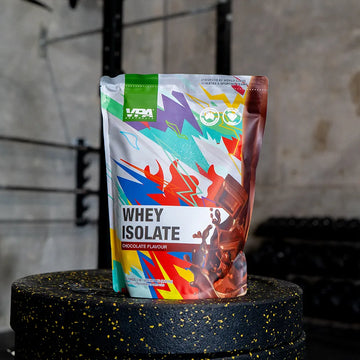
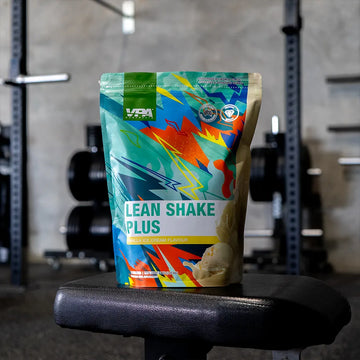
VPA's WPI protein comes in at 27g per 30g serve. Fat sits at 0.3g and carbs at 1.4g per serve. The ingredient list is short: whey protein isolate, flavour, sweetener and natural colour.
Practically speaking? You're looking at roughly a gram per shake. That's not nothing over a 33-serve bag. But it's also not the deciding factor for most people. Both are high-quality isolates.
WPC comparison
Concentrate is the value play for both brands. It sits around 80% protein, carries a bit more lactose and natural milk fat, and costs meaningfully less per kilo.
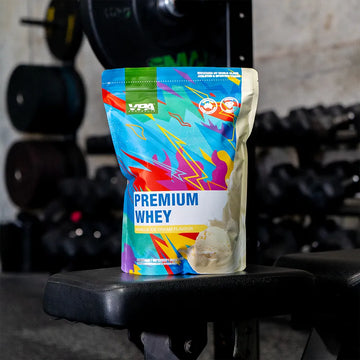
VPA's WPC protein gives you 24g per 30g serve across 19 flavours at $65.00 for 1kg. Bulk Nutrients' WPC is $59.00 for 1kg in 12 flavours.
If you're a high-volume user with freezer space and no strong flavour preferences, that 10kg at $53/kg is a legitimately good deal. If you'd rather not commit ten kilos to a single flavour, the flavour range starts to matter more than the per-kilo saving.
Plant-based options
Bulk Nutrients' Earth Protein blends pea, rice and fava bean protein, delivering 22g per 30g serve across eight flavours. It's sweetened with monk fruit and stevia and has a well-earned reputation for mixing smoothly, which is not a given with plant proteins.
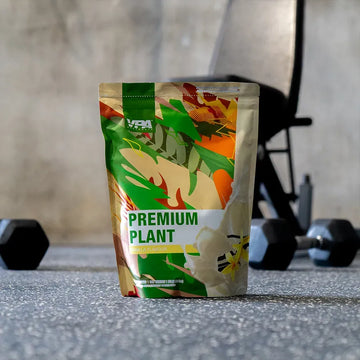
VPA's vegan protein powder uses four protein sources — pea isolate, rice, pumpkin seed and sacha inchi — plus an added amino acid and BCAA blend, vitamin B12, iron and a digestive enzyme. It's also Informed Sport tested, which is unusual for a plant protein at this price point.
The added micronutrients are a real differentiator here. If you're plant-based full-time rather than just avoiding dairy, B12 and iron in your protein powder is a sensible addition rather than a marketing line.
Flavour, Taste, and Mixability
Flavour is the single most common reason people switch protein brands. Not price. Not protein percentage. Taste.
Bulk Nutrients has a strong, well-established flavour range and a very loyal customer base who rate it highly — their 4.9-star average across 7,600+ reviews reflects that. Their sample packs are a smart way to try several before committing.
VPA's approach is a bit different, and it's worth explaining because it's where a lot of the brand's growth has come from. Flavours are developed in-house by a full-time food technician with 15+ years of food and beverage product development experience. Each new flavour goes through repeated blind testing with large customer panels, and the process takes three to six months per flavour. That's why there are 19 of them across both whey lines— including Rich Mocha, Caramel Biscuit Shake, Fruity Cereal and Choc Honeycom— that you don't typically see in an Australian range.
VPA also backs it with a Flavour Happiness Guarantee: if you don't like the flavour you bought, they'll send you a different one free. That's a genuinely low-risk way to try a new brand, and it's the reason the "what if I hate it" objection doesn't really apply here.
On mixability, both brands use instantised powders that dissolve in 20 seconds of shaking. VPA's chocolate flavours use natural cocoa without anti-caking agents, so you'll occasionally see small dark flecks. That's the cocoa, not a mixing failure.
Quality Assurance and Testing Transparency
Both brands take testing seriously, and both publish results. This is not a category where one of them is hiding something.
Bulk Nutrients publishes independent NMI lab results monthly and has completed and published more than 700 protein tests over 13+ years. They also offer a free customer protein testing service and run a HASTA-certified WPI line ($82.00 for 1kg) for athletes subject to SIA/WADA testing.
VPA also uses the National Measurement Institute for independent third-party testing and publishes results on-site. On top of that, VPA is Informed Sport certified through LGC's sports anti-doping laboratory — a global standard that involves batch-level screening against a banned substances list — and runs a dedicated batch-tested product range covering WPI, creatine, pre-workout and BCAAs.
The practical difference: Bulk Nutrients' strength is the sheer depth of its published testing archive. VPA's strength is holding an international certification across a broader slice of its range rather than a single SKU.
If you want to understand what any of these certifications actually mean before you choose, read our explainer on third-party testing for supplements.
Pricing and Value
Let's do the maths properly, a good protein powder quality vs price comparison because "cheaper per bag" and "cheaper per gram of protein" aren't always the same thing.
WPI at 1kg RRP:
-
Bulk Nutrients: $79.00 ÷ (33 serves × 26g) = roughly $9.21 per 100g of protein
-
VPA: $85.00 ÷ (33 serves × 27g) = roughly $9.54 per 100g of protein
So Bulk Nutrients is about 3–4% cheaper per gram of protein at single-bag RRP, and their multibuy tiers widen that gap if you're buying in volume — at 5kg, WPI drops to $72.00 per bag.
WPC at 1kg RRP: VPA is $65.00 versus $59.00. Same story, similar margin.
Where the picture changes is total order cost. Bulk Nutrients charges a flat $9 to ship anywhere in Australia with no minimum spend. VPA ships free on orders over $150. Buy one bag and Bulk Nutrients is cheaper delivered. Buy two or three bags — or a bag plus creatine — and VPA's free shipping threshold closes most of the gap.
Then there's the risk factor. The Flavour Happiness Guarantee means a flavour you don't like costs you nothing but a bit of patience. That's worth real money if you're switching brands blind.
Which One Should You Choose?
Choose VPA if you:
-
Care about flavour variety and want 19 protein powder flavours rather than a handful
-
Want the safety net of a guarantee if a flavour doesn't land
-
Compete in tested sport and want Informed Sport certification across multiple products
-
Are buying multiple items and will clear the $150 free shipping threshold
-
Want a plant protein with added B12, iron and BCAAs built in
-
Are lactose sensitive and want an isolate at 27g per serve
Choose Bulk Nutrients if you:
-
Are optimising purely for cost per gram of protein
-
Buy in serious volume and will use those 5kg and 10kg price breaks
-
Order one bag at a time and want the flat $9 shipping
-
Value a deep, long-running public archive of published lab results
-
Have flavours you already know and love and see no reason to change
The honest bottom line
If you're currently on Bulk Nutrients and happy, there's no quality-based reason to switch. That's the honest answer, and any article that tells you otherwise is being dishonest with you.
The reason people move to VPA is usually flavour fatigue or a desire for the certification stack, and not because they think they're getting a bad product. And the reason people stay with Bulk Nutrients is usually the price breaks at volume.
Pick based on which of those two things you actually care about. If you're not sure how much protein you need in the first place, run the numbers through our VPA protein calculator, or read which protein powder is right for you to narrow the format down first.
What About VPA's Creatine vs Bulk Nutrients Creatine?
Fair question: Creatine is usually the second thing in the cart after protein, and the comparison plays out a bit differently there.
Creatine monohydrate is a far more commoditised product than whey. The molecule is the same regardless of who bags it, so the differences come down to source, purity testing, particle size, and whether the batch has been screened for banned substances. Price gaps tend to be narrower and the decision hinges on different factors than it does with protein.
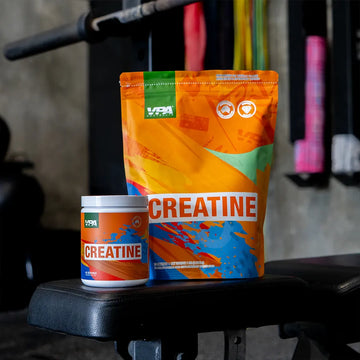
Because it deserves its own proper treatment rather than a paragraph tacked onto the end of a protein article, we've covered it separately. Head over to VPA Creatine vs Bulk Nutrients Creatine for the full side-by-side, including current pricing and testing details for both.
FAQs
Is VPA or Bulk Nutrients better?
Neither is objectively better: they're optimised for different things. Bulk Nutrients is slightly cheaper per gram of protein at RRP and offers deeper volume discounts. VPA offers more flavours, Informed Sport certification, and free shipping over $150. Both hold 4.9-star ratings on ProductReview.com.au and both publish independent lab results.
Is VPA protein good quality?
Yes. VPA's Whey Isolate delivers 27g of protein per 30g serve with only four ingredients, tested independently by the National Measurement Institute and certified by Informed Sport. It's manufactured in ISO and HACCP-certified facilities in Brisbane, and holds 4.9 stars from over 26,000 reviews.
Why are Bulk Nutrients so cheap?
They run a direct-to-consumer model out of Tasmania with no retail middlemen, buy raw ingredients in large volumes, have a flat $9 shipping rate, and use a tiered multibuy structure that rewards bigger orders. It's an efficient operation rather than a compromise on quality; they publish their lab results monthly to demonstrate exactly that.
Does VPA test their protein powder?
Yes. All VPA supplements undergo independent third-party testing of protein powder through the National Measurement Institute, with results published on the website. VPA is also Informed Sport certified through LGC's anti-doping laboratory, and runs a dedicated batch-tested range covering WPI, creatine, pre-workout and BCAAs.
Can I switch from Bulk Nutrients to VPA without noticing a difference in protein quality?
In terms of protein content, the difference is roughly a gram per serve at the isolate level. It’s not something you'd feel. What you will notice is flavour, since the two brands take different approaches to flavour development. That's the main variable when switching, and it's why the Flavour Happiness Guarantee exists.
Which Australian protein powder brand has the best flavours?
Taste is subjective, but VPA offers the widest flavour range of the two, with 19 options across both WPI and WPC, developed in-house over three to six months per flavour with blind consumer testing. Reviewers on ProductReview.com.au consistently highlight flavour and mixability as VPA's standout attributes. Browse the full whey protein Australia range to see what's available.
Is VPA Australian-owned?
Yes. VPA is Australian-owned and operated, headquartered in Brendale, Queensland, and blends and packs its products in ISO and HACCP-certified facilities in Brisbane. Bulk Nutrients is also Australian-owned, based in Tasmania — so whichever way you go, you're supporting an Australian business.
References
-
Product Review. (n.d.). Bulk Nutrients reviews. https://www.productreview.com.au/listings/bulk-nutrients
-
Product Review. (n.d.). VPA reviews. https://www.productreview.com.au/listings/vpa
-
We Test You Trust. (n.d.). Sport. https://sport.wetestyoutrust.com/
-
National Measurement Institute. (n.d.). National Measurement Institute. https://www.industry.gov.au/national-measurement-institute
-
Bulk Nutrients. (n.d.). Bulk Nutrients. https://www.bulknutrients.com.au/