



![[Batch-tested] Collagen Pro® - Protein Powder](http://www.vpa.com.au/cdn/shop/files/vpa-australia-collagen-powder.webp?v=1770851517&width=360)



TL;DR
Body recomposition is the process of losing fat and building muscle simultaneously. If you're a beginner, returning to training, or intermediate, body recomposition is often the smarter move than bulking and cutting separately. The formula is simple: eat slightly below maintenance calories, prioritise high protein (1.6-2.2g per kilogram of body weight), train progressively, and recover properly. The scale won't move much, but your body will transform dramatically.
What Is Body Recomposition?
Before we get into how to recomp, it's worth understanding what body recomposition actually involves.
The Basic Definition
In simple terms, body recomposition is the simultaneous process of losing fat and building muscle. Unlike traditional approaches that separate muscle and fat-loss phases, body recomp works when you eat at or slightly below maintenance while training smart.
Your weight stays stable, but your composition changes dramatically. You lose fat, gain muscle, and end up looking leaner and feeling stronger. Most people prefer this approach because you look and feel good year-round without the extreme phases of bulking and cutting.
Is It Actually Possible?
Yes. Contrary to what you might have heard, you don't always have to choose between building muscle and losing fat. Have enough protein, train consistently, and keep your calorie deficit under control, and body recomposition becomes a realistic goal.
Who Is Body Recomposition Best Suited For?
Beginners and Detrained Individuals
If you've trained for less than 6-12 months, or you're returning after a break, body recomposition for beginners is doable. Your muscles are highly responsive to training. You can lose fat and gain muscle simultaneously without extreme calorie cuts because your body responds quickly to stimulus.
Timeline: Visible changes in 8-12 weeks.
Intermediate Trainees in a Calorie Sweet Spot
If you've been training consistently for 6-18 months and still have some body fat to lose, you're in a good position for body recomposition. At this stage, your body can continue building muscle while using the stored energy from body fat, provided your training and nutrition are on point.
Advanced Trainees
If you've been training seriously for 2+ years, body recomposition is slower - but still possible. Advanced lifters can achieve body recomposition when protein intake is very high (2.3-3.1g per kilogram of fat-free mass) and training is periodised. Most advanced athletes see faster results with dedicated bulk/cut cycles, but recomposition works if leanness and consistency matter more than speed.
Women and Body Recomposition
Interest in body recomposition among women has grown in recent years, and it's easy to see why. Instead of bouncing between bulks and cuts, you can focus on making steady progress year-round without feeling bloated or drained.
Pro tip: Track body composition, not weight. Women often see stable scale weight whilst losing 2-3kg fat and gaining 1-2kg muscle.
For women looking for supplements, the benefits of creatine for women are worth checking out.
How to Set Up Nutrition for Body Recomposition
So, how to actually recomp successfully? Well, it starts with getting your nutrition right.
Calorie Target — The Recomp Zone
Body recomposition: calories don’t mean a massive amount; you just need to go for 200-500 calories below maintenance. This range is aggressive enough to lose fat (0.5-1kg weekly) but gentle enough to preserve muscle.
If maintenance is 2,500 calories, aim for 2,000-2,300 daily. This supports calorie maintenance, muscle building and fat loss.
How to find maintenance calories: Body weight (lbs) × 14-16 = maintenance calories. Subtract 300 for your target. Track for 3 weeks and adjust if needed.
Protein — The Non-Negotiable
If there's one thing you need to get right for body recomposition, it's protein. Protein helps preserve and build muscle, keeps you feeling fuller for longer, and has a higher thermic effect than carbs or fats, meaning your body uses more energy to digest it.
Target: 1.6-2.2 grams per kilogram of body weight daily.
For someone weighing 70kg, that's around 110-154g of protein per day. Research has also shown that higher protein intakes during a calorie deficit can lead to better muscle retention and body composition outcomes than lower protein intakes.
Aim to spread your protein across 3-5 meals throughout the day rather than trying to get it all in one sitting. Start with quality protein sources such as chicken, fish, beef, eggs, and dairy products.
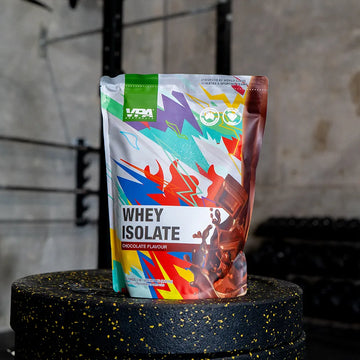
And don’t forget to fill gaps with whey protein for weight loss. VPA Whey Isolate delivers 27g of protein, just 0.2g of fat, and 4.2g of leucine per serve, making it an easy addition to a body recomposition diet.
For more nutrition guidance, check out our guide on the diet to lose body fat and gain muscle.
Carbohydrates and Fats
For body recomposition macros, aim for 2-3g carbs and 0.8-1.2g fats per kilogram. Carbs fuel your workouts, and fats support hormone production. Choose a macro split you can sustain consistently.
How to Train for Body Recomposition
Resistance Training Is the Foundation
Resistance training signals your body to retain muscle. Without it, your body breaks down muscle during a deficit rather than using fat stores.
Minimum: 3 sessions weekly, hitting each muscle group 2-3 times. Focus on compound movements like squats, deadlifts, bench press, rows, overhead press, pull-ups. They work multiple muscle groups at once and hit hardest.
Progressive Overload
Progressive overload basically means gradually increasing the challenge your muscles face each week. This can mean adding weight to the bar (5-10 lbs per week), adding reps, adding sets, reducing rest periods, or improving range of motion. Your muscles adapt quickly to stimulus, so if the weight stays the same week to week, you'll stall.
Research clearly shows that muscle growth is more pronounced when progressive overload is implemented consistently.
See essential tips on how to build muscle for detailed training strategies.
Cardio — Useful, Not Essential
Cardio can help with fat loss, but it's not a requirement for body recomposition. In fact, piling on too much cardio can make recovery harder and affect your training performance. A good starting point is 2-4 moderate-intensity sessions per week, lasting 20-30 minutes each. For most people, this provides the benefits of cardio without interfering with strength training.
Sleep and Recovery
Training and nutrition matter, but so does recovery. Sleep is when your body does much of the work required to repair muscle and recover from training.
Target: 7-9 hours per night.
If you're training hard and trying to improve your body composition, aim for the higher end of that range. Research has shown that people who don't get enough sleep can lose significantly more muscle during a calorie deficit compared to those who are well-rested, even when weight loss is the same.
Put simply, if your recovery isn't where it should be, your results will suffer too.
Supplements That Support Body Recomposition
Supplements don't build muscle or burn fat. Training and nutrition do. However, two supplements for body recomposition have strong research backing.
Protein Powder
Whole foods should always be your main source of protein. But let's be realistic - there will be times when cooking a high-protein meal isn't possible. That's where protein powder comes in, making it easier to hit your body recomposition protein intake targets after training, between meals, or on busy days.
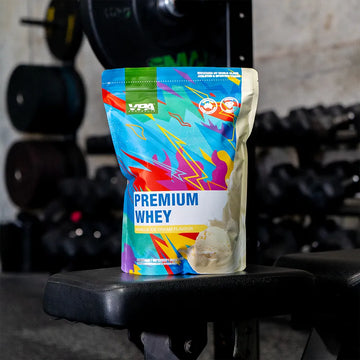
VPA Whey Protein Isolate provides 27g of protein, just 0.2g of fat, and 4.2g of leucine per serve. If you're after a more budget-friendly option, WPC delivers 24g of protein per serve.
Check out WPI vs WPC to see which suits your goals.
Creatine Monohydrate
Creatine monohydrate is the most researched supplement in sports nutrition. It increases phosphocreatine stores, allowing more ATP (energy) during high-intensity exercise.
Key benefits for body recomposition:
-
Increases strength and training capacity
-
Supports muscle protein synthesis with resistance training
-
Protects lean muscle during deficits
-
Enhances recovery between sessions
Dosing: 3-5g daily. Remember - consistency matters more than timing.
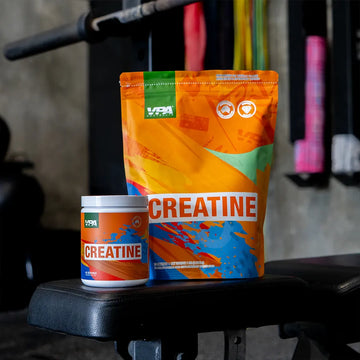
VPA Creatine Monohydrate is a 100% pure, pharmaceutical-grade supplement. Take 5g daily with water or your protein shake.
Check why you should be using creatine to understand the mechanisms, and see creatine before or after workout for timing details.
What You Don't Need
Fat burners, thermogenics, and proprietary blends don't work.
Explore best supplements for muscle gain for evidence-backed options.
How Long Does Body Recomposition Take?
Realistic Timelines
-
8-12 weeks: You'll see your first visible changes. Your clothes will fit differently, and friends will start noticing the difference in your physique.
-
12-16 weeks: You'll experience a meaningful transformation. Muscle definition improves noticeably, and your gym strength improves measurably.
-
3-6 months: You'll achieve significant body recomposition. You'll have lost 3-5kg of fat and gained 2-3kg of muscle. Your scale weight will stay stable - but you'll be completely transformed.
Beginners and people who are detrained see faster results. Advanced lifters often progress more slowly, but everyone makes progress with consistency.
How to Track Progress
Don't rely on scale weight alone. Your weight might not budge whilst losing fat and gaining muscle. Instead, track multiple metrics every 4-6 weeks: body measurements (waist, hips, chest, arms using a soft tape measure), strength gains in your main lifts (this is your best indicator that you're preserving muscle), progress photos taken from consistent angles and lighting every 6-8 weeks, and how your clothes fit.
Side-by-side photo comparisons are particularly powerful because they reveal changes your eyes miss daily. Your body will change before the scale moves, so visual and measurement tracking is important for motivation and proof that recomposition is actually working.
Body Recomposition vs Bulking vs Cutting — Which Should You Choose?
Choose Recomp If:
-
You're a beginner or returning to training after a break
-
You're 6-18 months into consistent training with a solid foundation
-
You carry excess body fat and want year-round leanness
-
You want a sustainable approach without extreme phases
Choose Bulking If:
-
You're already lean and want to build muscle aggressively
-
You're willing to gain weight knowing some will be fat
-
You plan to follow up bulking with a cutting phase
Check out 5 tips for a successful winter bulk.
Choose Cutting If:
-
You're at high body fat and weight loss is your main goal
-
You want rapid fat loss with accepted muscle loss
-
You've already built a good foundation of muscle
Want to know more? See bulking vs cutting to compare approaches, and check 8 hacks to stay lean this winter for practical strategies.
Conclusion
Body recomposition is achievable when you master these fundamental pillars. Without any one of them, recomposition becomes difficult or impossible.
-
Eat slightly below maintenance (200-500 calorie deficit)
-
Prioritise protein (1.6-2.2g per kilogram)
-
Train with progressive resistance consistently
-
Sleep 7-9 hours nightly
VPA Whey Protein Isolate and VPA Creatine Monohydrate directly support these without overcomplicating things. WPI provides ultra-pure, fast-absorbing protein to fuel muscle growth during your deficit; creatine enhances strength and training capacity, which helps you maintain the progressive overload needed to preserve muscle.
In six months, when you see yourself - leaner, stronger, genuinely transformed - you'll understand why consistency beats speed. The basics still matter most: eat well, train hard, sleep adequately, stay consistent. Your body will adapt.
Frequently Asked Questions
What is body recomposition?
Body recomposition is the process of losing fat and building muscle simultaneously through a calorie deficit, high protein, and progressive resistance training.
Is it possible to build muscle and lose fat at the same time?
Yes. Research confirms body recomposition is achievable, especially for beginners and intermediate lifters using adequate protein, progressive training, and a modest deficit.
How long does body recomposition take?
Visible changes in 8-12 weeks. Meaningful transformations in 12-16 weeks. Full recomposition takes 3-6 months depending on starting point.
How much protein do I need for body recomposition?
Body recomposition protein intake should be: 1.6-2.2 grams per kilogram daily. For 70kg, that's 110-154 grams per day.
What should I eat for body recomposition?
Recomp diet prioritises whole proteins (chicken, fish, beef, eggs), complex carbs, healthy fats, and vegetables. You can use protein powders for gaps.
Do I need to be in a calorie deficit for body recomposition?
A modest deficit (200-500 calories below maintenance) accelerates fat loss, though beginners can achieve body recomposition at maintenance calories.
What supplements help with body recomposition?
Body recomposition supplements like whey protein isolate and creatine monohydrate are effective and research-backed.
Is body recomposition different for women?
Not really. The same principles apply: strength training, adequate protein, and a sensible calorie intake. While hormonal fluctuations can influence things like energy levels, appetite, and water retention, the overall approach to body recomposition for women remains the same.
Should I do recomp, bulk, or cut?
Bulking vs cutting vs recomp: It depends on your starting point. If you're new to training and have body fat to lose, body recomposition is often a good option. If you're already lean and want to build muscle, a bulk followed by a cut may be more effective. If you're carrying higher body fat, consider starting with a cut.
Why is my weight not changing even though my body composition is improving?
Muscle and fat have different densities. You can lose fat and gain muscle simultaneously, and your scale weight stays stable. Track measurements and photos instead.
References:
-
Barakat, C., Pearson, J., Escalante, G., Campbell, B., & De Souza, E. O. (2020, October). Body recomposition: Can trained individuals build muscle and lose fat at the same time? Strength and Conditioning Journal, 42(5), 7–21. https://doi.org/10.1519/SSC.0000000000000584
-
Cleveland Clinic. (2024, April 16). What to know about body recomposition. https://health.clevelandclinic.org/body-recomposition
-
BodySpec. (2025, June 27). Body recomposition 101: Losing fat and gaining muscle together. https://www.bodyspec.com/blog/post/body_recomposition_101_losing_fat_and_gaining_muscle_together
-
Ethier, J. (2018, February 25). Body recomposition: How to build muscle while losing fat. Built With Science. https://builtwithscience.com/diet/meal-plans/body-recomposition/
-
Kubala, J. (2025, March 5). How to lose fat and gain muscle for body recomposition. Healthline. https://www.healthline.com/nutrition/body-recomposition