



![[Batch-tested] Collagen Pro® - Protein Powder](http://www.vpa.com.au/cdn/shop/files/vpa-australia-collagen-powder.webp?v=1770851517&width=360)
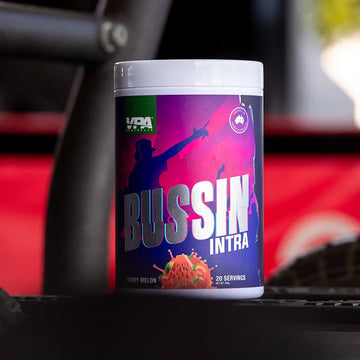



It's never fun to arrive at your workout feeling lethargic or low on energy. One must take charge of their health and welfare in order to exert more energy for exercise and increase physical performance and results. What then causes us to feel fatigued?
According to research, low energy often occurs because of our food intake. Our energy levels are strongly influenced by factors including the quality and quantity of the food we eat. It's true that we are what we eat, and while going for something sweet, caffeinated, or an energy drink can give us a quick lift, the crash that follows will leave us feeling even worse and more exhausted. So, how do we break the cycle?
Take control of your energy with nutrition and lifestyle changes that you can easily do today!
1. Stock up on energy-boosting foods
Avoid overly processed food and make the switch to more nutrient-dense and balanced meals. Include complex carbohydrates, protein, and healthy fats.
Complex carbohydrates
foods provide vitamins, minerals, and fiber that are important to the health of an individual and they are a sustained source of energy.
- Whole-grain bread and pasta
- Oatmeal
- Chickpeas
- Brown rice
- Fruits and vegetables
Protein
helps to repair and build muscles, and healthy fats, such as those found in nuts and seeds, provide energy, and help you feel full longer.
- Eggs
- Dairy
- Lean meats
- Chicken
Healthy fats
- Avocados
- Nuts
- Olive oil
- Fish
2. Keep hydrated
Staying hydrated throughout the day is crucial for maintaining energy levels during exercise. Dehydration can lead to fatigue, changes in mood, and cramping, which can make it difficult to complete a workout and more so perform daily tasks.
Research has found that being dehydrated by just 2% can impair performance in tasks that require attention, psychomotor and immediate memory skills. So, try to swap out sodas or drinks high in sugar, or coffee with plain ol’ water throughout the day.
3. Prioritize sleep
If you’re not seeing results at the gym, there’s a big chance you’re not getting enough sleep. Getting enough sleep and observing a proper sleep schedule is vital for overall health, including energy levels during exercise.
Lack of sleep can lead to plenty of negative effects like fatigue, stress and hormonal imbalance, decreased performance, and increased risk of injury. Aim to go to bed earlier to improve your sleep quality and help avoid blood sugar spikes. And aim for at least 7-8 hours of sleep to ensure you are well-rested.
4. Lower stress levels
Chronic stress can drain the body of energy, as the body's resources are directed towards managing stress rather than other functions. Moreover, stress is enough to throw off your overall gut microbiome and lead to gastrointestinal issues.
Lower stress through movement or exercise, spending time outdoors, meditating, and spending time with loved ones.
5. Exercise regularly
Exercise can make a real difference in your mood and energy levels as it increases your endorphin levels, boost heart health, and guarantees that you’ll sleep soundly. Exercise also increases blood flow and oxygen delivery to your muscles and tissues which can help them work more efficiently and reduce fatigue.


