

TL;DR
Your protein powder should match what your body actually needs - not what marketing says it does. Women training 3-5 times weekly for body composition get the best results from WPI for its high protein density and low lactose load. If your joints are talking to you by Thursday, collagen protein for women delivers what standard whey can't. With our plant-based protein for women, you don't have to compromise on amino acid completeness - VPA’s multi-source blends deliver all nine essentials. Post-menopausal women hitting 1.2-1.6g/kg bodyweight daily while adding collagen for bone support see measurable differences in strength recovery and joint resilience. Read this guide to match your actual training reality to a protein powder that works for it.
Do Women Need a Different Protein Powder Than Men?
Not fundamentally - recommended protein intake for women varies by training intensity, body composition goals, and life stage, not gender alone. However, women face some distinct physiological factors that shape protein strategy.
Resistance exercise stimulates muscle protein synthesis the same way in everyone. But the response shifts during perimenopause and post-menopause.
During these transitions, declining estrogen leads to reduced muscle and bone mass, and protein becomes essential for maintaining muscle mass, bone health, and hormonal balance. Women over 40 often experience anabolic resistance, which basically means that the same protein intake that maintained muscle at 30 may fall short at 50. This is why life stage matters more than gender when selecting a protein powder as a woman.
Women also tend to be more sensitive to product taste and mixability, which is why flavour variety and texture matter. VPA's Flavour Happiness Guarantee exists partly because abandoning a protein powder you don’t like wastes both money and progress.
Want a deeper dive? See our full guide on which protein powder is best for me.
How Much Protein Do Women Actually Need?
The recommended dietary allowance (RDA) is 0.8g per kilogram of bodyweight - roughly 54g for a 150-pound person. But this baseline is for sedentary adults.
For women training regularly, requirements climb significantly. Resistance training combined with protein intakes of 1.4-1.6 g/kg per day forms the cornerstone of muscle health, performance, and long-term well-being - whether you're managing energy deficits, dealing with menopause, or eating plant-based.
So, for a 70kg woman training 3-5 times weekly, the answer to “how much protein do I need?” might look like this:
-
Muscle maintenance and general fitness: 1.2-1.6g/kg = 84-112g daily
-
Muscle hypertrophy and strength gains: 1.6-2.2g/kg = 112-154g daily
-
Fat loss and body recomposition: 2.3g/kg and above = 161g+ daily
Remember: Spreading this across 4-5 meals (aiming for 25-35g per meal) optimises muscle protein synthesis throughout the day.
Check your needs: Use our VPA protein calculator to dial in your specific requirements.
The Best Protein Powders for Women by Goal
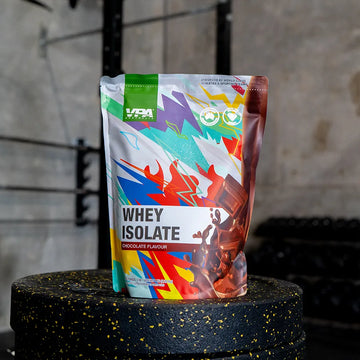
The profile: VPA Whey Protein Isolate delivers 27g protein per serve with just 0.2g fat and 0.3g sugar. At 99% lactose-free, it's efficient for women tracking macros or eating in a calorie deficit while preserving lean muscle.
Why it works: Thirty to 60 grams of protein post-workout triggers muscle protein synthesis and extends your anabolic window over 24 hours. WPI protein's rapid absorption floods your muscles with amino acids during this critical recovery window. The 4.2g of leucine per serve is the key - leucine flips the muscle-building switch in your cells, and it's the hardest amino acid to hit in adequate amounts.
The advantage: WPI protein's high protein-to-calorie ratio means you're fuelling muscle growth without excess fat or carbs creeping into your macros. If you're tracking calories tightly, every serve delivers maximum protein bang for your calorie buck.
14+ flavours with the Flavour Happiness Guarantee - from Rich Mocha to Salted Caramel to Iced Coffee. If you don't love the flavour you chose, VPA replaces it.
Want the full breakdown? See WPI vs WPC for the detailed comparison.
Best Everyday Value: Premium Whey (WPC)
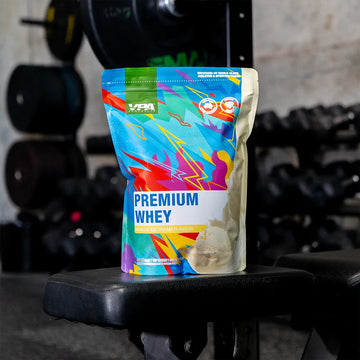
The profile: VPA Premium Whey delivers 24g protein per serve with a slightly creamier texture and richer flavour thanks to its higher fat content (0.7g) and sugar (1.5g). It's the most affordable entry point into VPA's whey range without compromising on protein quality or manufacturing standards.
Why it works: WPC protein is less processed than WPI, retaining more naturally occurring fats and immune-boosting components from the whey. For women not lactose-sensitive and in a muscle gain or maintenance phase, this trade-off makes sense. You still get to hit your protein targets, you just save money doing it.
The advantage: Better value if you're buying multiple tubs monthly. Perfectly for everyday shakes, post-workout recovery, and filling protein gaps throughout the day. The taste is often perceived as more natural and "milky" compared to WPI.
14+ flavours, same Flavour Happiness Guarantee as WPI.
Best for Skin, Joint Health, and Recovery: Collagen Pro
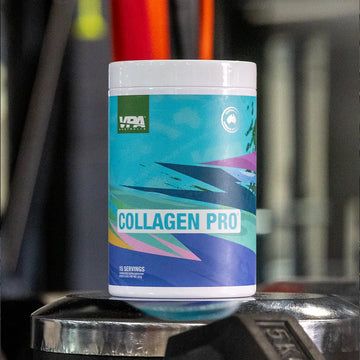
The profile: VPA Collagen Pro is a protein-collagen hybrid combining hydrolysed collagen with 11.3g protein per serve, plus prebiotic fibre (inulin) and probiotics (Bacillus Coagulans, 1.5 billion CFU). It's unflavoured and mixes easily into coffee, smoothies, or water.
Why it works: Your body absorbs hydrolysed collagen efficiently - it reaches your bloodstream and accumulates in cartilage tissue where it rebuilds joint structures. Collagen protein for women is the most abundant structural protein in your body, and hydrolysed collagen peptides absorb better than any other collagen form.
The amino acid profile is different from whey. It's particularly rich in glycine (22.2g per 100g), proline (12.7g), and hydroxyproline (11.9g) (all important for collagen synthesis in skin, joints, tendons, and bone).
Why women specifically benefit: Women over 35 experience a natural decline in collagen production, and this accelerates post-menopause. Studies show that post-menopausal women who consume 5-10g collagen daily see larger cartilage volumes and higher bone mineral density. Combining standard whey protein for women for daily muscle-building with Collagen Pro fills a gap no single whey powder covers: structural tissue recovery (joints, tendons, skin) along with muscle protein synthesis.
The advantage: This is the most relevant product for women who train hard and want to address connective tissue recovery - joints, tendons, skin elasticity - alongside muscle repair. It's particularly valuable for women in perimenopause and post-menopause where joint and skin health concerns increase.
For more context: See our guides on does collagen powder work and collagen protein vs whey protein.
Best for Plant-Based Eaters: Premium Plant Vegan Protein Powder
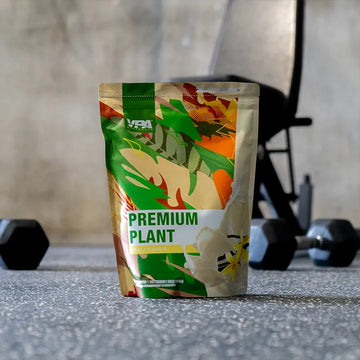
The profile: VPA Premium Plant combines four plant protein sources (pea protein isolate, rice protein, sacha inchi protein, and pumpkin seed protein) to deliver 29g protein per serve with a complete amino acid profile including all nine essential amino acids.
Why it works: Single-source plant proteins often fall short in leucine - the trigger amino acid for muscle protein synthesis. But combine the right ones together, and you get all nine essential amino acids, matching animal protein profiles. VPA's four-source blend ensures no amino acid gaps.
Why women benefit: Women who try plant-based protein (whether vegans, vegetarians, or those simply reducing animal products) might struggle to hit protein targets without strategic supplementation. The best vegan protein powder for women removes the guesswork. It's also naturally cholesterol-free and lower in saturated fat than animal proteins, supporting long-term cardiovascular health.
Suitable for: Vegans, vegetarians, and women who are dairy-intolerant or prefer to avoid animal products.
Best for Overnight Recovery: Micellar Casein
The profile: VPA Micellar Casein is a slow-digesting protein that releases amino acids gradually over 5-7 hours, making it suitable for overnight muscle protein synthesis support. It delivers 23.6 g of protein per serve with 4.8g of BCAAs for women.
Why it works: Unlike whey's rapid digestion (peak muscle saturation in 60-90 minutes), micellar casein forms micelles - clumps that your digestive system breaks down slowly. This creates a sustained drip-feed of amino acids while you sleep, when your body conducts most tissue repair.
Relevant for: Women in a strength training programme who want to maximise recovery during sleep without a full meal before bed. It's especially useful on nights before high-intensity training days when extra amino acid availability is required.
Click here to learn more.
Best Protein Powder for Women Trying to Lose Weight
As you know by now, protein is the most satiating macronutrient - it keeps you fuller for longer, reduces overall calorie intake, and preserves lean muscle during a deficit. The best protein powders for women in Australia lead to greater weight loss, improved satiety, and better body composition because protein triggers fullness hormones your brain actually listens to.
VPA WPI delivers 27g protein in 110 calories. Replace one or two calorie-dense snacks daily with a shake, and your deficit becomes sustainable without constant hunger. You eat fewer calories naturally, not through restriction.
And if you're resistance training during a deficit, adequate protein preserves muscle while your body burns fat. Simply put, you can lose weight without losing the strength you've worked for.
Want the full breakdown? See our collection on the best protein powder for women for weight loss.
Best Protein Powder for Women Over 40 and Over 50
Perimenopause (Typically 40-52)
What's happening: Oestrogen decline triggers changes in bone density, muscle mass, and fat distribution. Anabolic resistance (the reduced efficiency at building muscle from the same protein intake) emerges during this phase.
What to prioritise: During menopause, go for 1.2-1.6g protein per kilogram of body weight daily. For a 70kg woman, that's approximately 84-112g - a noticeable jump from what worked at 30.
WPI or WPC both work for perimenopause, so always choose based on budget and lactose sensitivity. But add Collagen Pro if you want to create real synergy. Collagen is the bone's primary structural protein, and research shows postmenopausal women with higher protein intake plus sufficient calcium and vitamin D maintain significantly better bone mineral density.
The best combo: VPA WPI (or WPC) for daily muscle maintenance + Collagen Pro for joint and skin support addresses the body composition and structural health concerns of perimenopause.
Resistance training combined with adequate protein intake women need is the most evidence-backed approach to managing the body composition changes of this life stage.
Post-Menopause (52+) — Best Protein Powder for Women Over 50
What's happening: Oestrogen withdrawal accelerates bone density loss. Muscle mass continues to decline without intentional protein and strength training. Lean mass directly supports bone density - the less muscle, the lower bone mineral density becomes.
What to prioritise: Bone density is now critical. Collagen is the structural foundation of bone (alongside minerals like calcium and phosphorus). Research on postmenopausal women shows that protein supplementation combined with the right timing and nutrients supports bone remodeling and protects against bone degeneration.
The combination: VPA WPI (or WPC) for daily protein targets + Collagen Pro for connective tissue and structural protein support covers the two most relevant nutritional gaps for women over 50. Taking both ensures you're feeding muscle repair whilst simultaneously supporting the bone and joint structures that oestrogen no longer protects as effectively.
What to Look For When Choosing a Protein Powder in Australia
Protein Percentage Per Serve
Label Transparency
VPA lists every ingredient and its function. No "proprietary blends" hiding poor-quality components. No amino spiking (adding cheap amino acids to inflate protein numbers). You see exactly what you're paying for.
Independent Quality Verification
VPA products undergo third-party testing through the National Measurement Institute (NMI) - Australia's leading authority for chemical and biological testing. This guarantees purity and safety.
For athletes in drug-tested competition, batch testing against WADA and Supplement Integrity Authority (SIA) prohibited substances is essential.
VPA's batch-tested range is clearly labelled, click here for the full list.
Flavour Guarantee
A protein powder you cannot stomach is money wasted. VPA's Flavour Happiness Guarantee removes risk: if you dislike the flavour you chose, VPA resolves it. This matters because consistency - drinking the same shake daily - is how you hit protein targets long-term.
What is the Cleanest Protein Powder in Australia?
"Clean" means high protein percentage, no fillers, no amino spiking, and transparent labelling. VPA's WPI and WPC meet all four criteria and are among the cleanest protein powders in Australia. Both deliver 24-27g protein per serve with minimal added ingredients. The nutrition panels show exactly what's inside, with no hidden proprietary blends or cheap bulking agents.
Protein Powder for Women at Different Life Stages: Quick Answers
Is Protein Powder Safe When Pregnant or Breastfeeding?
Please ask a medical professional such as a GP or dietitian before using protein powder when pregnant or breastfeeding. There is nothing inherently unsafe in VPA protein powder for pregnant or breastfeeding women, but individual circumstances vary.
See our full article for more info: Is protein powder safe when pregnant or breastfeeding
Is Lactose-Free Protein Powder Right for You?
Absolutely. VPA Whey Protein Isolate is 99% lactose-free and suits most women with dairy sensitivity. For those avoiding all dairy, plant-based protein options also exist.
Our Premium Plant Vegan Protein (pea, rice, sacha inchi, pumpkin seed blend) and Pea Protein Isolate (Canadian yellow peas, 76% minimum protein) are fully dairy-free.
Explore: Pea Protein Isolate
Should Women Take Creatine Alongside Protein Powder?
Yes - they work through different mechanisms and complement each other well for strength and body composition goals. Protein fuels muscle protein synthesis, creatine enhances ATP production and strength performance. Together, they amplify adaptations to resistance training.
Check: Benefits of Creatine for Women for more
FAQ
What is the Best Protein Powder for Women in Australia?
It depends on your goals and life stage. For body composition and lean muscle, WPI is best - highest protein density, fastest absorption, lowest lactose. For everyday value, WPC is a good choice. If you want joint and skin support, go for Collagen Pro. For plant-based eating, Premium Plant Vegan Protein and for overnight recovery, Micellar Casein. Just start with your primary goal, then add support as needed.
Is Protein Powder Safe for Women to Take Daily?
Yes. The best protein powder for women in Australia is a convenient, safe way to meet daily protein targets. VPA products are third-party tested and batch-tested where relevant. But consistency matters more than frequency: meeting 1.6g/kg bodyweight daily - whether from whole food, powder, or a blend- is what gives you results.
Will Protein Powder Make Women Bulky?
No. Muscle growth requires a calorie surplus plus resistance training plus high protein intake plus time. A protein shake alone doesn't create a surplus. If you're eating in a deficit or maintenance, protein powder preserves existing muscle, it doesn't add bulk without intentional surplus calories and strength training.
What's the Best Protein Powder for Women Trying to Lose Weight?
VPA Whey Protein Isolate. The 27 g of protein per serve in 110 calories delivers maximum satiety per calorie. Its rapid digestion doesn't spike blood sugar, and the high leucine content preserves lean muscle during a deficit. Replace 1-2 calorie-dense snacks daily with a WPI shake, and the deficit becomes sustainable without constant hunger.
What is the Best Protein Powder for Women Over 50?
A combination: VPA WPI (or WPC, depending on budget and lactose sensitivity) for daily muscle maintenance, plus VPA Collagen Pro for bone and connective tissue support. The perimenopause and post-menopause shift in oestrogen makes structural protein (collagen) as important as muscle protein (whey). One powder feeds muscle, the other feeds bone and joints.
Is Whey Protein Australia Good for Women?
Yes. Whey protein in Australia is a complete protein with all nine essential amino acids, rapid absorption, high biological value, and strong evidence for muscle protein synthesis. It's particularly effective post-workout and for women in calorie deficits. The only caveat: women with dairy sensitivity may prefer WPI (99% lactose-free) over WPC (higher lactose content).
Why Do Dietitians Say No to Protein Powder?
Quality concerns. Poor-quality powders contain fillers, amino spiking, or undisclosed ingredients - which are legitimate red flags. Dietitians recommend whole food first because it contains micronutrients, fibre, and satiety signals that powder doesn't replicate. Powder works best as a supplement - filling gaps when whole food isn't practical, not as a replacement. VPA's transparency and third-party testing address these quality concerns. When used strategically, protein powder is a dietitian-endorsed tool.
Can Women Take Protein Powder While Pregnant?
Please consult your GP or dietitian. VPA protein powder contains no ingredients inherently unsafe in pregnancy, but individual circumstances (gestational diabetes, kidney function, specific cravings) matter. Professional guidance is a must.
What is the Cleanest Protein Powder in Australia?
VPA Whey Protein Isolate and Premium Whey (WPC) are among the cleanest options available. Both give you high protein percentages (27g and 24g per serve, respectively) with minimal fillers, no amino spiking, and transparent labelling. All VPA products are manufactured in ISO and HACCP-certified facilities in Brisbane and third-party tested for purity.
References
-
Mallinson, J. E., Wardle, S. L., O'Leary, T. J., Greeves, J. P., Cegielski, J., Bass, J., Brook, M. S., Wilkinson, D. J., Smith, K., Atherton, P. J., & Greenhaff, P. L. (2023, October 3). Protein dose requirements to maximize skeletal muscle protein synthesis after repeated bouts of resistance exercise in young trained women. Scandinavian Journal of Medicine & Science in Sports, 33(10), Article e14506. https://doi.org/10.1111/sms.14506
-
Black, K. E., & Matkin-Hussey, P. (2024, July 31). The impact of protein in post-menopausal women on muscle mass and strength: A narrative review. Nutrients, 4(3), Article 16. https://doi.org/10.3390/nu4030016
-
Healthline. (2026, July 16). What is the best type of protein for weight loss? Healthline. https://www.healthline.com/nutrition/best-protein-for-weight-loss
-
Malesu, V. K. (2025, July 29). Do collagen supplements work? Science-backed benefits for skin, joints, and muscles. News Medical. https://www.news-medical.net/health/Do-Collagen-Supplements-Work-Science-Backed-Benefits-for-Skin-Joints-and-Muscles.aspx
-
Wang, Y., Zhu, W., Luo, W., Ma, Y., & Zhou, Y. (2025, November 28). The sustained effects of bioactive collagen peptides on skin health: A randomized, double-blind, placebo-controlled clinical study. Journal of Cosmetic Dermatology, 24(12), Article e70565. https://doi.org/10.1111/jocd.70565


