



![[Batch-tested] Collagen Pro® - Protein Powder](http://www.vpa.com.au/cdn/shop/files/vpa-australia-collagen-powder.webp?v=1770851517&width=360)



TL;DR
What is Creatine Monohydrate?
Creatine monohydrate is one of the most researched and effective supplements for improving strength, muscle growth, cognitive function, and performance.
Creatine is a naturally occurring compound made from three amino acids: glycine, arginine, and methionine. It is stored mainly in skeletal muscles. While small amounts come from foods like red meat and fish, supplementation helps maximise muscle creatine stores, especially for athletes, gym-goers, and vegetarians.
So, how does creatine work in the body? It boosts energy production by replenishing ATP, the body’s primary energy source, to support short bursts of high-intensity activity. This means more power, longer endurance in sprints or lifts, and faster recovery between workouts.
Creatine monohydrate benefits include improved strength and power, enhanced muscle hypertrophy, reduced muscle soreness, quicker recovery, and even potential cognitive support for memory and focus. It also helps with repeated sprint performance and high-intensity training, making it valuable for sports like football, basketball, CrossFit, and HIIT, or even athletics like sprinting.
Is creatine monohydrate safe? Yes. Decades of research confirm long-term safety for healthy individuals. For individuals wondering how to use creatine, go ahead with a typical dose of 3-5 g daily, with or without a loading phase. Among different creatine types, creatine monohydrate remains the gold standard due to its affordability, effectiveness, bioavailability, and strong scientific backing.
What Exactly is Creatine Monohydrate?
Creatine monohydrate is a naturally occurring compound found in the human body and is made up of three amino acids: glycine, arginine, and methionine. It is the energy store of the body, meaning it produces the energy needed for daily activity and workouts.
It is produced in the liver, kidneys, and pancreas, and stored mainly in skeletal muscles. Around 95% of creatine in the body is found in muscles, while the rest is distributed in the brain and other tissues.
What is creatine used for? A creatine monohydrate supplement is widely used in sports and gym nutrition 1 because it enhances energy availability during short, high-intensity activities such as sprinting, lifting, or HIIT workouts.
The question then arises: How is creatine made?
Commercial creatine monohydrate is manufactured synthetically from sarcosine (a derivative of glycine) and cyanamide. It is then purified and micronised to improve solubility and absorption. This ensures high purity, dissolvability, and bioavailability, making it both safe and effective for daily use.
Beyond supplementation, creatine is also naturally obtained through diet, mainly from animal-based foods such as red meat, pork, and fish. However, dietary intake, especially for vegetarians and vegans, is often too low to maximise muscle creatine stores, which is why supplementation is recommended for athletes, regular gym-goers, and fitness enthusiasts.
How Does Creatine Work in the Body?
Creatine plays a key role in energy metabolism. During intense exercise, the body relies on ATP (adenosine triphosphate) for energy. However, ATP stores are limited and deplete within seconds. Creatine helps by:
-
Increasing phosphocreatine stores in muscles.
-
Recycling ADP 2 (in scientific terms, adenosine diphosphate that functions as the energy currency) back into ATP, extending performance during short bursts of high-intensity activity.
By improving ATP regeneration, creatine allows muscles to sustain longer and more powerful efforts. Hence, it is beneficial for strength training, sprinting, athletics, and explosive sports. Over time, these minor performance improvements lead to significant strength gains, enhanced endurance, and improved recovery.
This explains the wide range of creatine effects explored in studies: improved strength, endurance in repeated sprints, faster recovery, and potential cognitive benefits.
Benefits of Creatine Monohydrate
Improves Strength & Power
Creatine enhances performance in resistance training by improving maximal strength and power output. Athletes across disciplines, from powerlifting to football to sprinting, report measurable improvements in explosive movements such as jumps and heavy lifts.
Enhances Muscle Growth
Creatine supports muscle hypertrophy indirectly by allowing higher training volume and intensity. Studies also suggest it enhances cell volume (water retention inside muscle cells), which triggers protein synthesis. This conducive environment encourages muscle repair and growth, making creatine one of the most reliable supplements for long-term muscle building and recovery.
Supports Recovery
Creatine reduces muscle damage and inflammation post-exercise. It improves satellite cell signalling, 3 a complex process that supports muscle repair. By enhancing phosphocreatine availability, it speeds up the recovery of ATP stores between sets and training sessions. Athletes using creatine that provide energy bursts reported faster recovery between sessions, less muscle soreness, and improved training frequency.
May Aid Brain & Cognitive Health
Because some creatine is stored in the brain, supplementation may enhance memory, learning, cognitive ability, and mental performance, particularly under stress or sleep deprivation. Research is ongoing, but promising results suggest that creatine may help protect against neurodegenerative conditions and improve mental clarity in older adults.
Helps with High-Intensity Performance
Sports like sprinting, football, basketball, and CrossFit rely on explosive movements and high stamina. Creatine supplementation improves repeated sprint ability and anaerobic performance. For athletes performing multiple short bursts of high-effort activity, creatine provides a clear advantage in maintaining output across repeated efforts.
Additional Benefits Under Investigation
Emerging research suggests creatine may also:
-
Improve bone health by supporting muscle strength and loading capacity.
-
Enhance glucose metabolism, potentially benefiting people with blood sugar and insulin resistance.
-
Support enhanced endurance 4 and increased benefits of creatine when combined with carbohydrates in long-duration sports.
Is Creatine Monohydrate Safe?
Yes. Creatine monohydrate has been studied extensively for over 30 years and is considered safe for healthy individuals. Long-term use (up to 5 years) shows no harmful effects on the kidney, liver, or cardiovascular health.
Common side effects include mild water retention or bloating in some users, as creatine stores water in muscles. But this usually resolves with continued use. Unlike popular myths, creatine does not cause dehydration, kidney damage, or muscle cramps when taken at recommended doses. However, individuals with pre-existing health conditions must exercise caution and consult a medical professional for recommendations.
It is essential to stay hydrated while using creatine to avoid puffiness, as the supplement increases water retention in muscle cells.
Dosage & Best Way to Take Creatine
The best way to take creatine is through one of two strategies:
-
Loading Phase: 20 g/day (split into four doses) for 5-7 days, followed by 3-5 g/day for maintenance. This method quickly saturates muscles with creatine.
-
No Loading: Take 3-5 g/day consistently. This approach takes longer (about 3-4 weeks) to saturate muscle stores but avoids the initial water retention.
How to use creatine: Creatine before or after a workout?
Research suggests both timings are effective. Some studies favour post-workout consumption alongside carbs and protein for better uptake. Ultimately, consistency matters more than exact timing.
How long does creatine take to work? With a loading phase, creatine effects may appear within 1 week. Without loading, expect results after 3-4 weeks of daily use.
Creatine Monohydrate vs Other Creatine Types
There are multiple creatine variants on the market, but creatine monohydrate remains the most studied and effective.
| Type | Solubility | Research Support | Cost | Effectiveness |
|
Creatine Monohydrate |
Good |
Strong evidence |
Affordable |
Gold standard |
|
Creatine HCL |
Very High |
Limited |
Expensive |
Similar effects but |
|
Creatine Ethyl Ester |
Moderate |
Weak |
Expensive |
Less effective |
Creatine HCL vs Monohydrate: Creatine HCL has better solubility and may reduce bloating for some, but there is limited evidence compared to the robust and extensive research backing creatine monohydrate. For most users, monohydrate is the best choice due to its proven track record, affordability, and availability.
In simple words, Creatine Monohydrate is more studied and cost-effective, while creatine HCL is more soluble and may cause less bloating. Although both are similar in their effectiveness in muscle growth and weight loss, creatine monohydrate is still the preferred choice due to research and cost considerations.
Choosing a High-Quality Creatine Supplement
When buying creatine, look for:
-
Purity: HASTA-certified or lab-tested products.
-
Micronised Form: Improves solubility for better taste and absorption.
-
Third-party testing: Ensures safety and no banned substances.
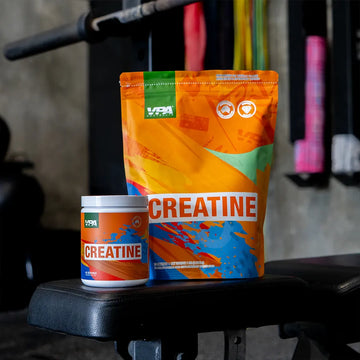
VPA Australia offers one of the best creatine in Australia, known for its high purity and affordability. VPA is a one-stop shop for premium sports supplements. We meticulously blend and pack all our products in-house, ensuring the highest quality and purity. Both our warehouses are export-quality, ISO, and HACCP certified, guaranteeing the highest hygiene standards in Australia.
Try VPA Australia’s Creatine Monohydrate now.
Final Word: Should You Take Creatine Monohydrate?
Absolutely yes. If your goal is to improve strength, muscle mass, performance, or recovery, creatine monohydrate is one of the most effective and affordable supplements available.
What is creatine monohydrate? It is a safe, well-researched, affordable and easy to use creatine supplement. Hence, it remains the gold standard among creatine types.
Creatine is not just for bodybuilders. It benefits athletes in team sports, endurance athletes, and regular gym goers looking to build their dream body or support healthy ageing.
Whether you are new to fitness or an experienced competitor, creatine can help you train harder, recover faster, and reach those big body goals more efficiently.
FAQs
Is creatine monohydrate natural?
Yes. Creatine is naturally produced in the body. It is produced in the liver, kidneys, and pancreas, and stored mainly in skeletal muscles. It is also found in foods like red meat and fish. Supplements like creatine monohydrate provide a concentrated form for added benefits.
Do creatine gummies work?
Creatine gummies are often unreliable—independent lab tests show they’re frequently under-dosed, unstable, and overpriced compared to creatine monohydrate powder, making powder the more effective and trustworthy option.
Read more about it here.
Can creatine cause hair loss?
No direct evidence links creatine to hair loss. In fact, a 2025 randomized controlled trial assessed hair follicle health following creatine supplementation and provided strong evidence against the claim that creatine contributes to hair loss. 5
Do I need to cycle creatine?
A creatine cycle is not necessary. Continuous daily use is safe and effective. Some athletes may choose to cycle for personal preference or to prevent the development of tolerance, but it offers no additional benefit.
Is creatine safe for women?
Yes. Women can experience the same benefits in strength, muscle, and performance without hormonal side effects. Many women use creatine to support lean muscle development and recovery.
Can teenagers take creatine?
Creatine may be safe for teenagers engaged in serious training under parental and professional supervision, but consult a doctor before use. Most guidelines suggest limiting supplementation until around age 16-18, that too with proper hydration and appropriate doses.
References
-
Cleveland Clinic. Creatine. Cleveland Clinic. Reviewed April 26, 2023. Accessed August 25, 2025. https://my.clevelandclinic.org/health/treatments/17674-creatine
-
Brittany W. ATP‑ADP cycle: meaning, function & structure. Study.com. Accessed August 25, 2025. https://study.com/learn/lesson/adp-atp.html#:~:text=ADP%2C%20through%20adenosine%2C%20is%20a,energy%20for%20essential%20biochemical%20reactions
-
Theodorou AS, Paradisis G, Smpokos E, et al. The effect of combined supplementation of carbohydrates and creatine on anaerobic performance. Biol Sport. 2017;34(2):169–175. doi:10.5114/biolsport.2017.65336
-
Laka M, Ashtary-Larky D, Dadkhahfar S, et al. Does creatine cause hair loss? A 12-week randomized controlled trial. J Int Soc Sports Nutr. Published online April 23, 2025. doi:10.1080/15502783.2025.2495229


